Shop peel and stick tiles
Browse the WOTILE range — peel, stick and refresh any room in minutes. See the best-selling designs or shop floor tiles.
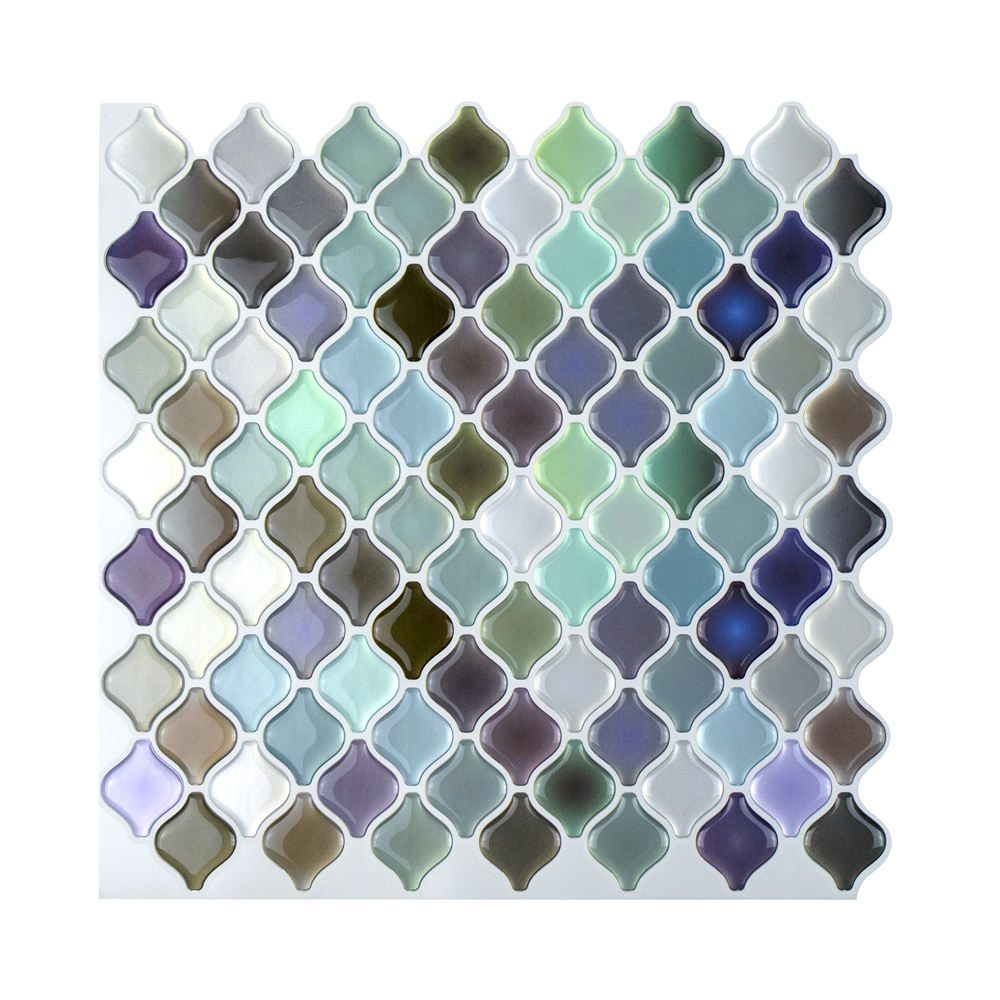
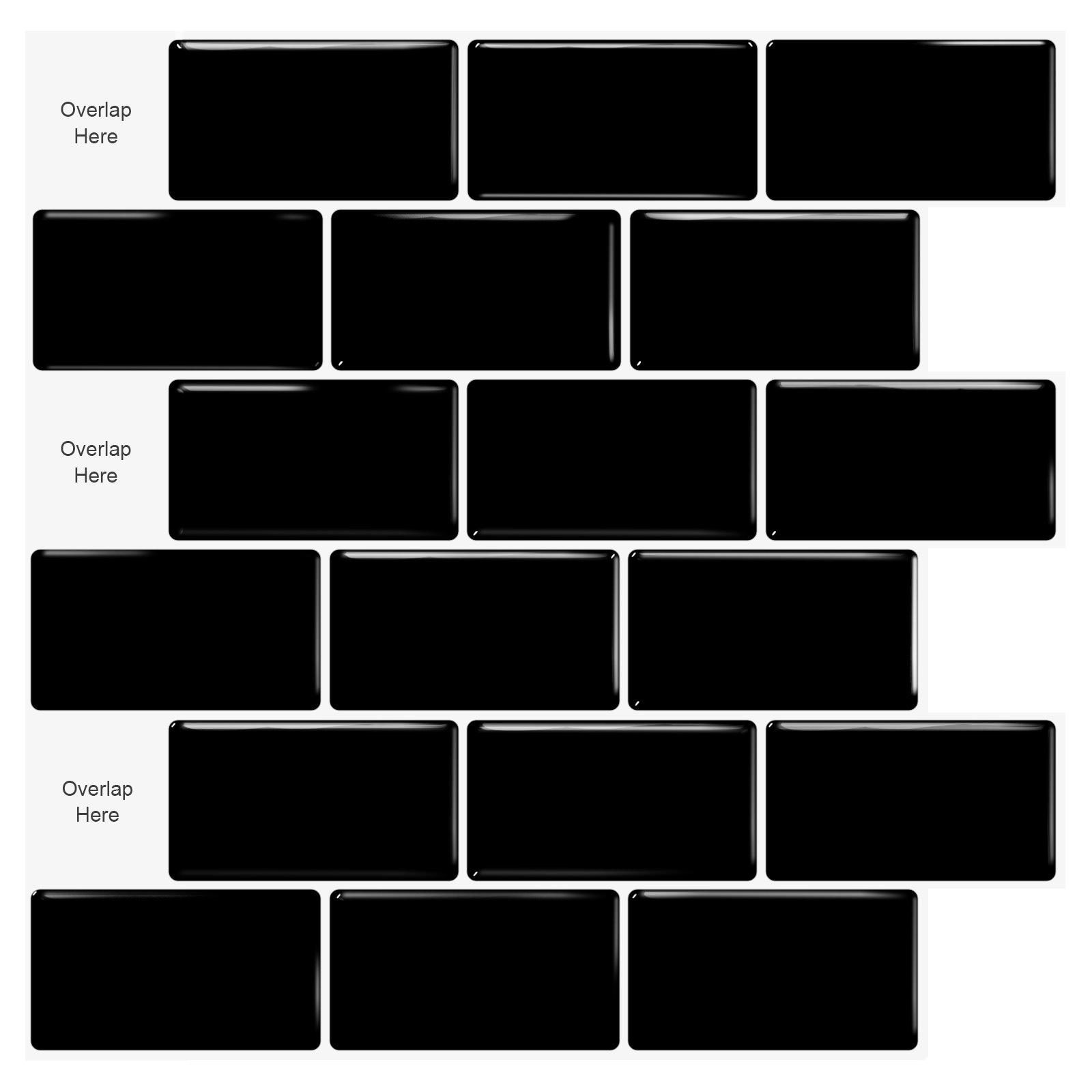
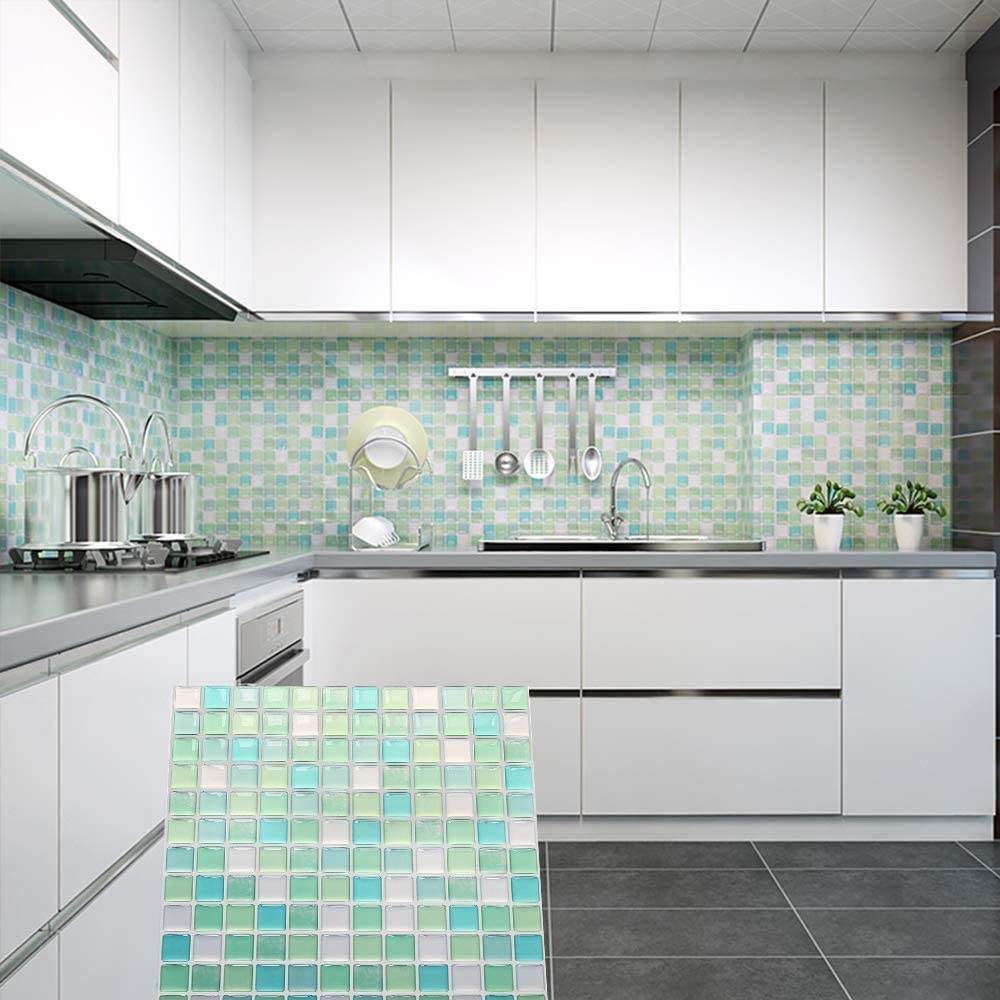
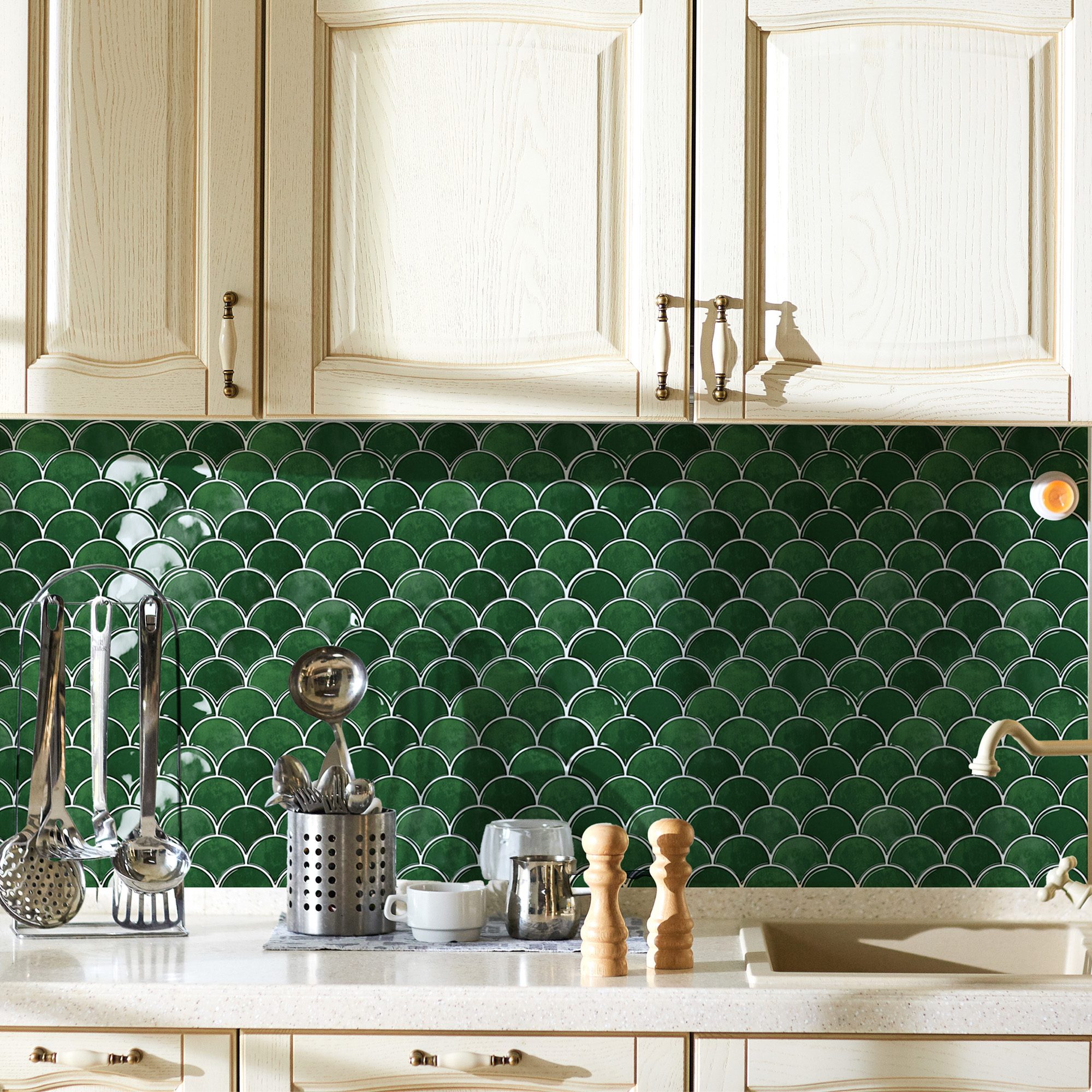
Short answer: These are the seven comparisons that decide most peel and stick tile projects: what the tile is made of, how it stacks up against the permanent alternative, which finish suits the wall, and how it differs from the product people most often confuse it with. Each guide puts real numbers on cost per square foot, lifespan, water resistance and install time.
Tiles referenced here run from $1.90 per sheet for vinyl PVC floor tiles to $4.80 per panel for 3D flexible PVC wall panels, in thicknesses from 1 mm to 4 mm. Free shipping over $99, 30-day returns, CE/SGS compliant.
| If your priority is | Choose |
|---|---|
| Lowest total cost and an afternoon of work | Peel and stick tile, any material |
| A surface that lasts twenty years or more | Ceramic or subway tile |
| A reversible change in a rental | Peel and stick tile over a prepared wall |
| A floor under heavy traffic | Vinyl plank (LVT or SPC) |
| Hiding an imperfect wall | Matte finish |
| Brightening a small dark room | Glossy finish |
| A kitchen or bathroom that gets wiped and steamed | PVC tile, not foam |
If you already know the room, the room guides jump straight to the products that suit that space, with the humidity, heat and subfloor conditions spelled out. If you have not chosen a product yet, start with the buying guide or the material comparison.
Material, then surface. PU, PVC and vinyl differ in finish, flexibility, yellowing resistance and cost, and that choice cannot be changed after installation. After material, the decision is whether the surface is flat, dry and clean — roughly eighty per cent of peel and stick failures are a preparation problem, not a product problem.
Yes, and the gap is larger than the material prices suggest. Peel and stick tile runs about $1 to $6 per sq ft; ceramic runs about $3 to $15 before installation, which typically adds another $8 to $20 per sq ft. On a normal kitchen backsplash that is the difference between a few hundred dollars and a few thousand.
A PVC tile with a matte or textured finish, on the wall and away from the shower interior. PVC resists water and wipes clean, and matte has the higher slip resistance if any of it reaches the floor. Foam tiles should not be used in a bathroom at all, because they absorb water at every cut edge.
Yes. At WOTILE the glossy and matte versions of the same tile are the same price, so the finish should be chosen on the room and the wall condition rather than on cost.
Five to ten years indoors on a properly prepared surface, against twenty to fifty years for ceramic or porcelain. The variable is rarely the tile itself — it is how clean, dry and flat the surface was when it went on.
The comparisons here are between product types and materials, not between brands. The figures quoted are typical retail ranges for North America and Europe and are meant as a decision framework rather than as a quote.
Browse the WOTILE range — peel, stick and refresh any room in minutes. See the best-selling designs or shop floor tiles.