Shop peel and stick tiles
Browse the WOTILE range — peel, stick and refresh any room in minutes. See the best-selling designs or shop floor tiles.
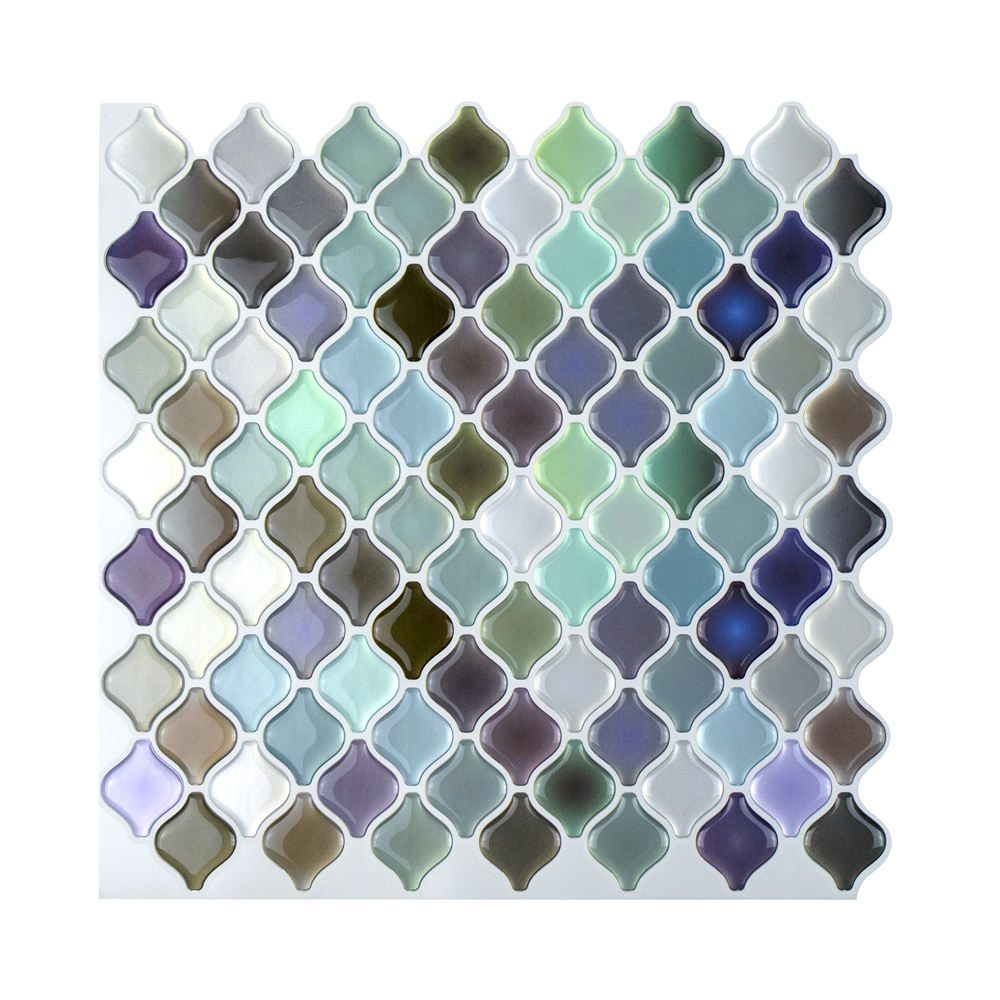
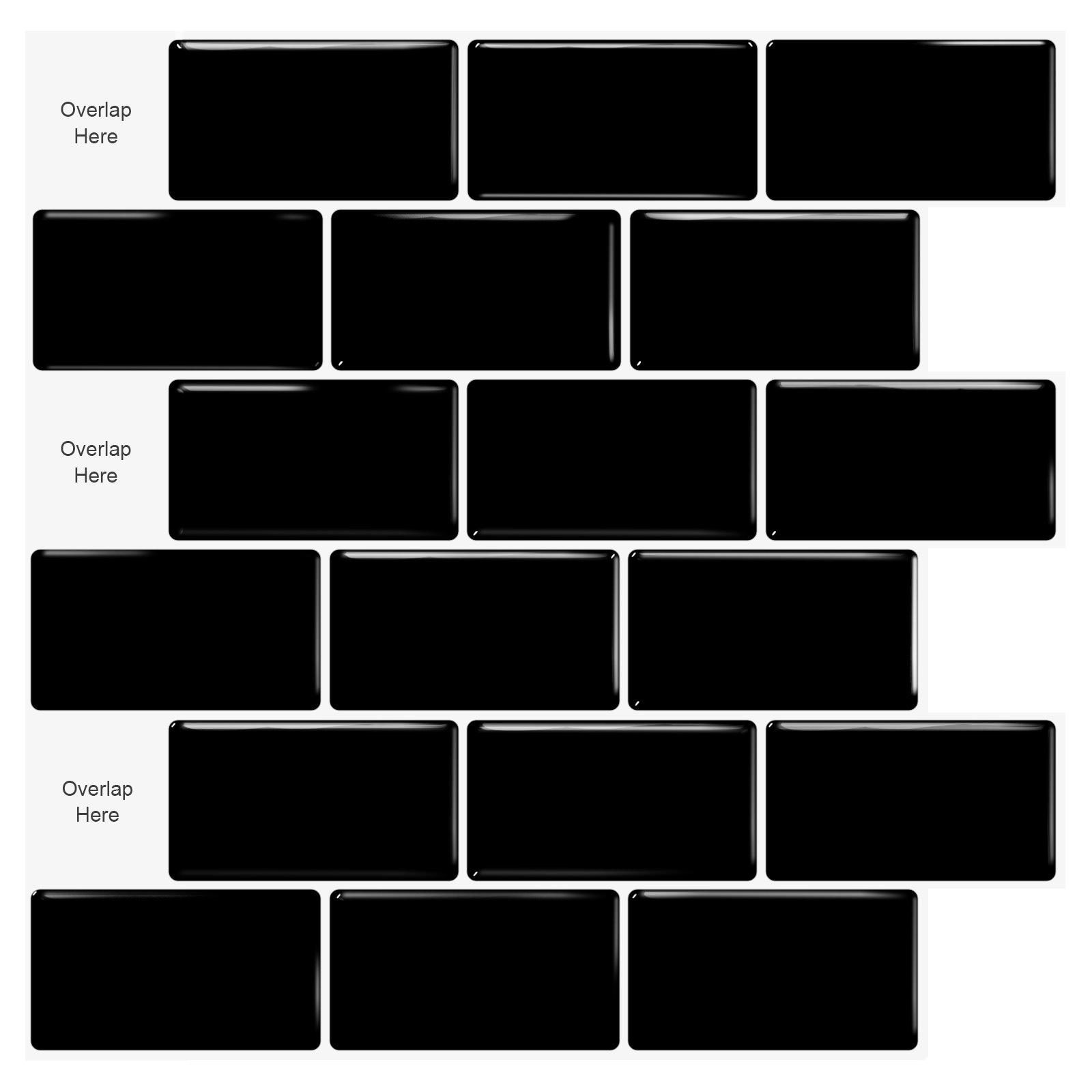
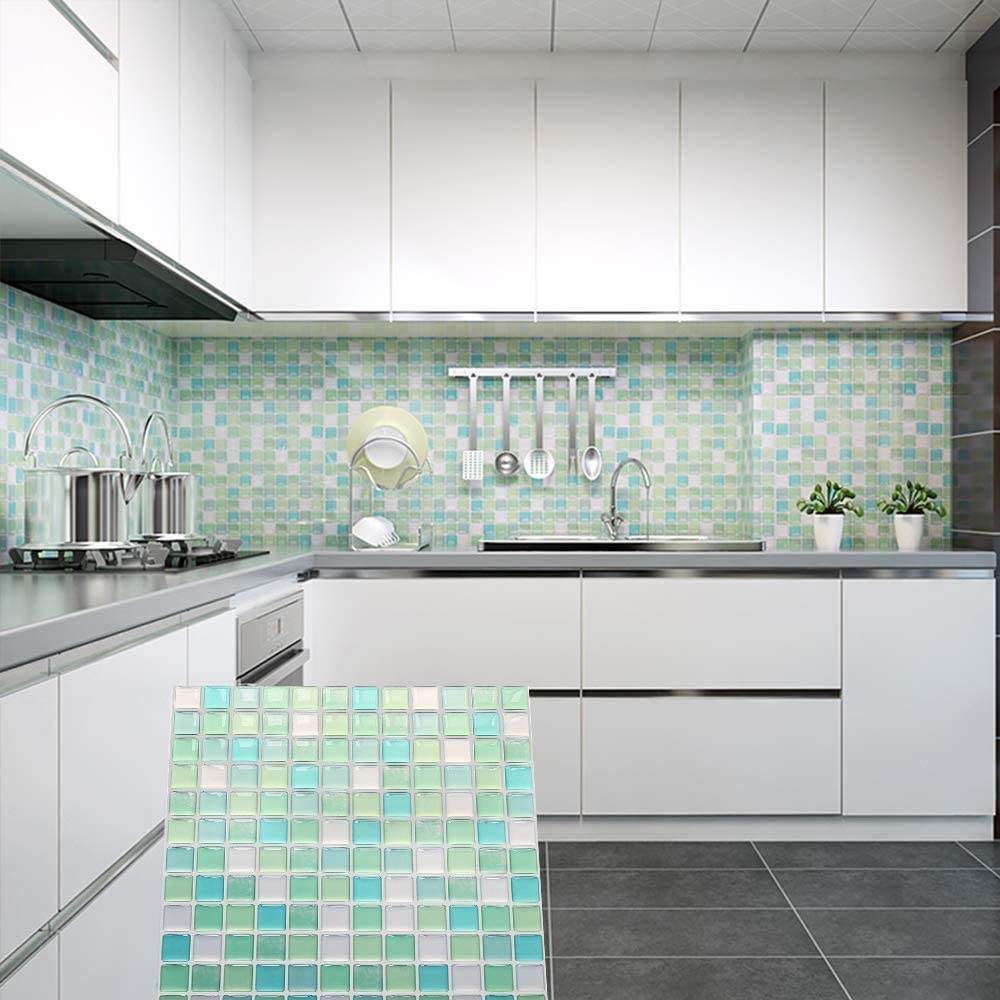
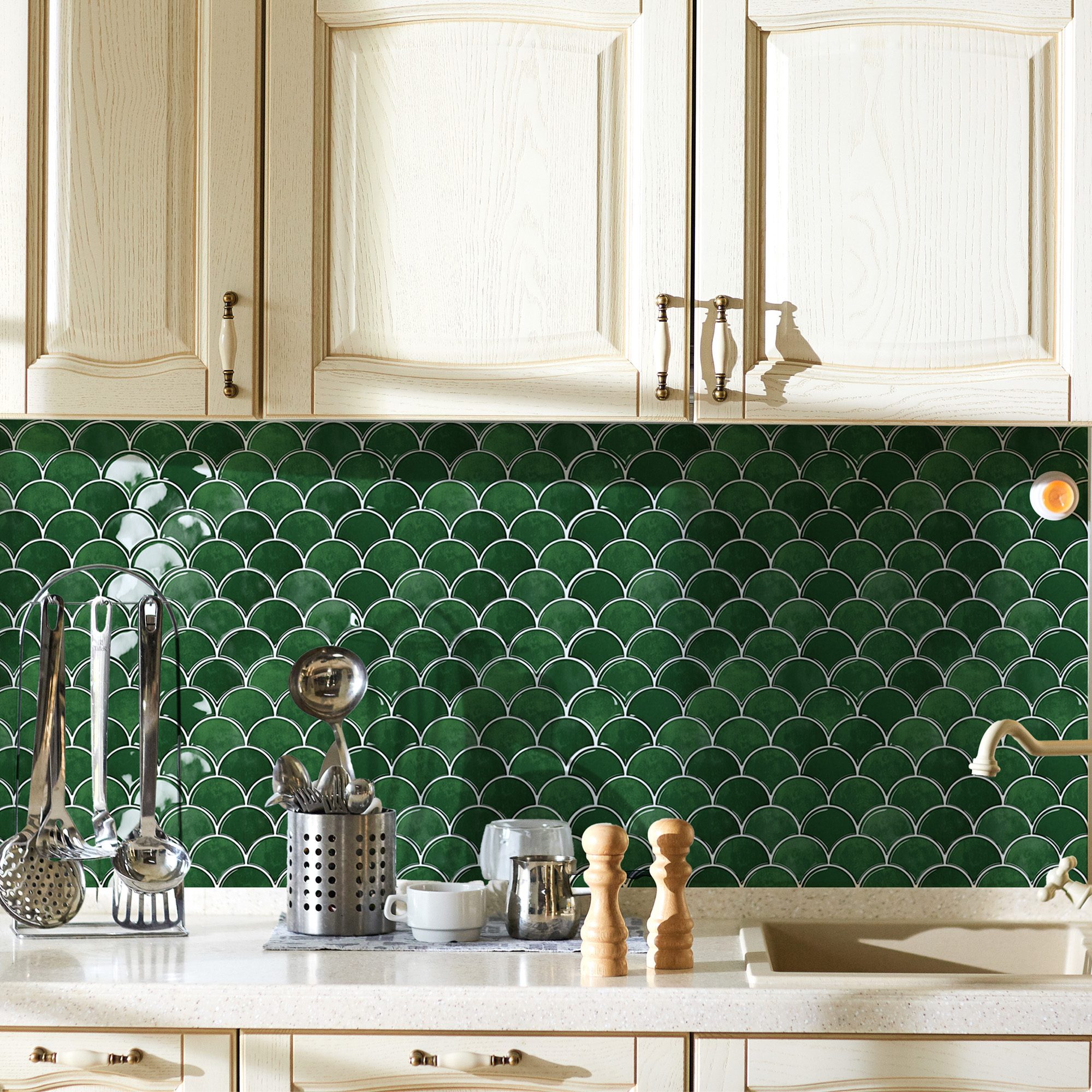
Short answer: Contact paper is a thin decorative vinyl film, usually under 0.3 mm, sold on a roll for lining shelves, drawers and cabinet fronts. Peel and stick tile is a thicker tile — typically 1 to 4 mm — with a stronger pressure-set adhesive, a printed tile face and often a textured or 3D surface. Contact paper is for flat, low-wear surfaces; peel and stick tile is for walls and floors that see heat, steam and wiping.
| Factor | Contact paper | Peel and stick tile |
|---|---|---|
| Thickness | Under 0.3 mm | 1–4 mm |
| Structure | Single vinyl film | Tile body plus printed face, sometimes 3D relief |
| Adhesive | Light and repositionable | Stronger, pressure-set |
| Surface texture | Smooth only | Smooth, matte, glossy, embossed, 3D |
| Heat resistance | Low — bubbles near a hob | Higher; still keep clear of direct flame |
| Water resistance | Resists the face; edges lift | Resists water; edges can be sealed with silicone |
| Realistic lifespan | Months to two years in a wet area | 5–10 years indoors |
| Appearance | Flat print with an obvious film edge | Reads as a real surface |
| Best use | Shelves, drawers, cabinet fronts, craft | Backsplashes, accent walls, floors, vanities |
| Sold by | The roll | The piece, or by the square foot |
| Removal | Tears and leaves residue | Peels in whole tiles, usually clean |
Cost and lifespan figures are typical retail ranges for North America and Europe. WOTILE prices sit below them because the tile ships factory-direct, with no importer or showroom margin in the chain.
A WOTILE subway sheet is 3 × 6 in, 1–4 mm thick and $2.90 per sheet, sold in 100-sheet boxes. Free shipping over $99, 30-day returns, CE/SGS compliant.
Both come on a roll or a sheet, both are self-adhesive, and both are marketed with the same before-and-after photographs. The confusion is understandable and it is also expensive, because the two products fail in completely different ways.
Contact paper fails by bubbling. It is a thin film with a light adhesive, so heat and moisture get under it and it lifts at the edges within weeks. Peel and stick tile fails by coming away from a bad substrate — it is a rigid body, so if the wall was dusty, damp or uneven, the tile releases instead of the film wrinkling.
Ignore the photograph and read two numbers. First, the thickness: under 0.3 mm is film, 1 mm or more is tile. Second, the unit: film is sold by the roll, tile is sold by the piece or by the square foot. A listing that states a thickness of 1 mm or more, sells by the piece, and shows a cut edge in cross-section is tile.
No. Contact paper is a thin decorative vinyl film, usually under 0.3 mm, made for flat, low-wear surfaces. Peel and stick tile is a 1 to 4 mm tile with a stronger adhesive, made for walls and floors that see heat, steam and wiping.
Behind a sink and well away from heat, it will hold for a while. It bubbles under steam, lifts at the edges and cannot be wiped hard. For anything near a hob or in a steamy room, use tile.
Both resist water on the face, and neither seals at the seams. Peel and stick tile is the better choice anywhere water runs, because the tile body holds its shape and the outer edges can be sealed with a bead of silicone.
Check the thickness and the unit. Contact paper is sold by the roll with a stated thickness under 0.3 mm and no tile body. Peel and stick tile is sold by the piece or by the square foot with a stated thickness of 1 mm or more.
If the surface is vertical, gets wiped, or gets warm, yes. The price difference per square metre is small and the difference in how long it lasts is not.
No. It will not survive foot traffic and it becomes a slip risk as soon as it is wet. Use a floor-grade peel and stick tile or a vinyl plank instead.
No. The film is too smooth and too weakly bonded — the tile will lift away with it. Remove the contact paper, clean off the residue, then apply the tile to the bare surface.
Peel and stick tile, if the surface was properly prepared. Contact paper tends to tear into strips and leave adhesive behind, which then has to be cleaned before anything else will stick.
Browse the WOTILE range — peel, stick and refresh any room in minutes. See the best-selling designs or shop floor tiles.