Shop peel and stick tiles
Browse the WOTILE range — peel, stick and refresh any room in minutes. See the best-selling designs or shop floor tiles.
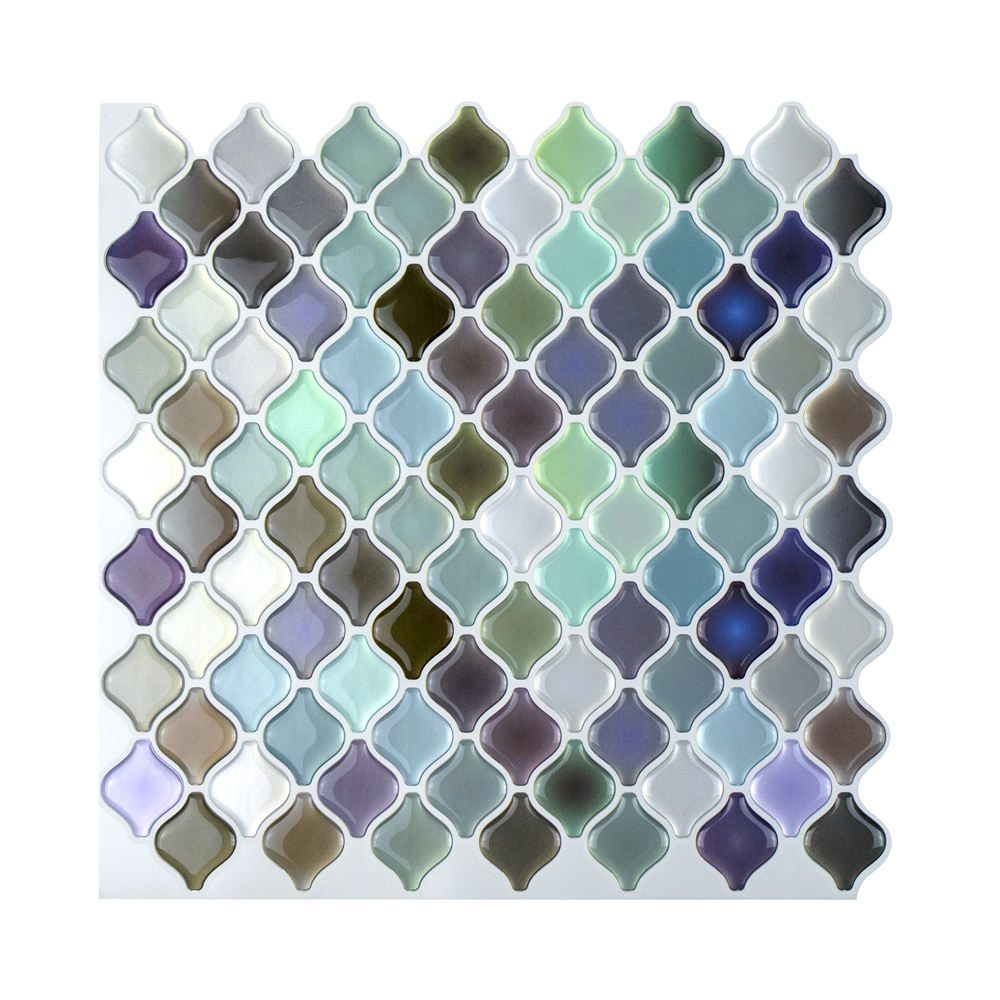
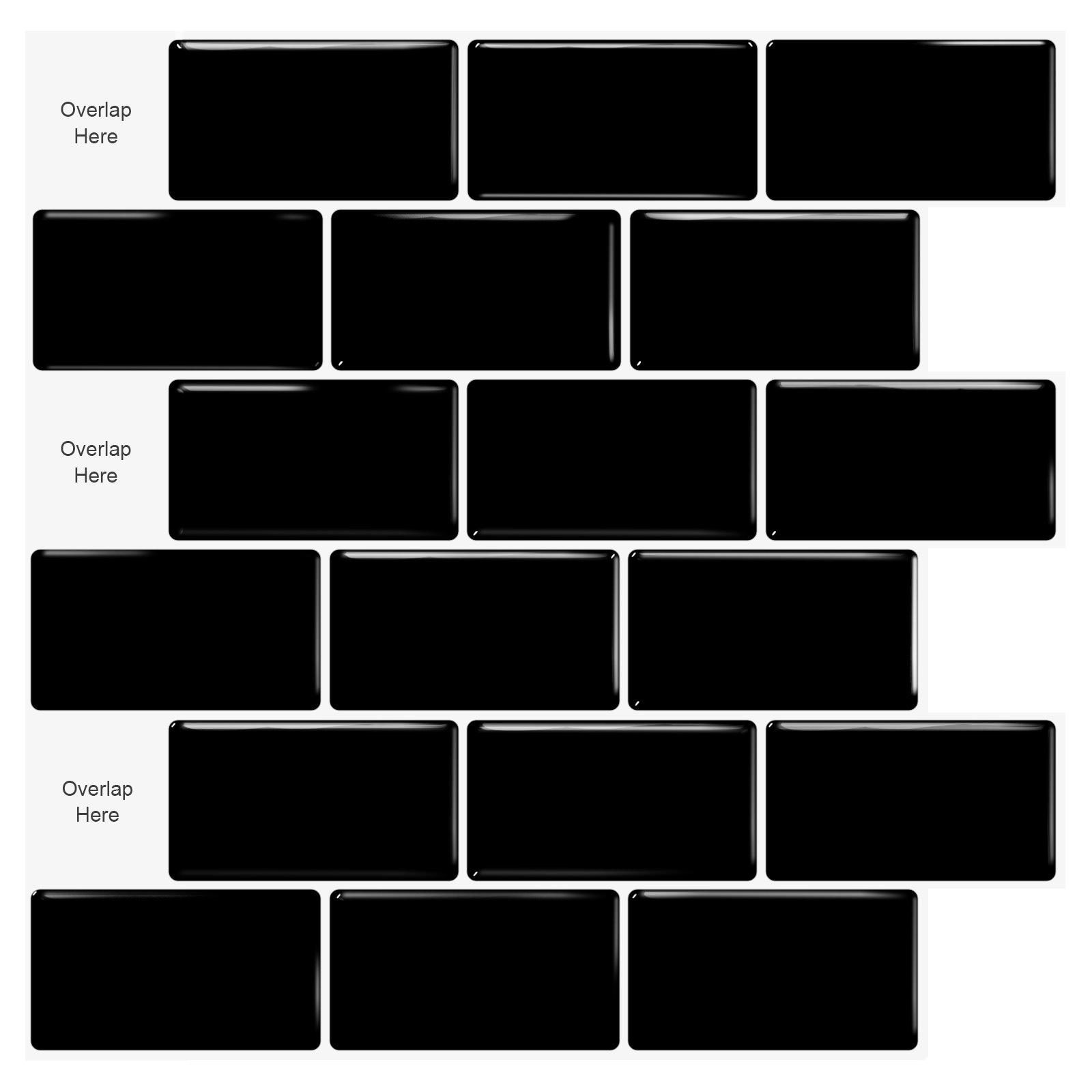
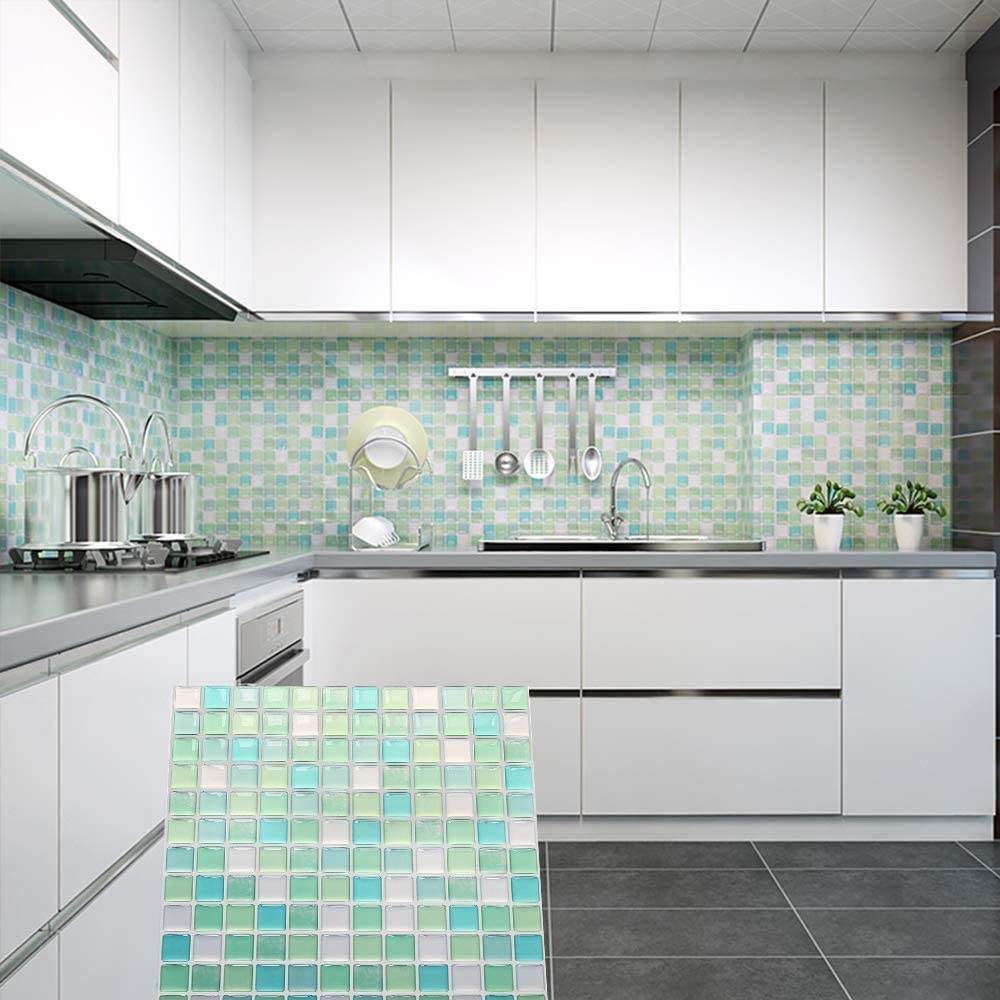
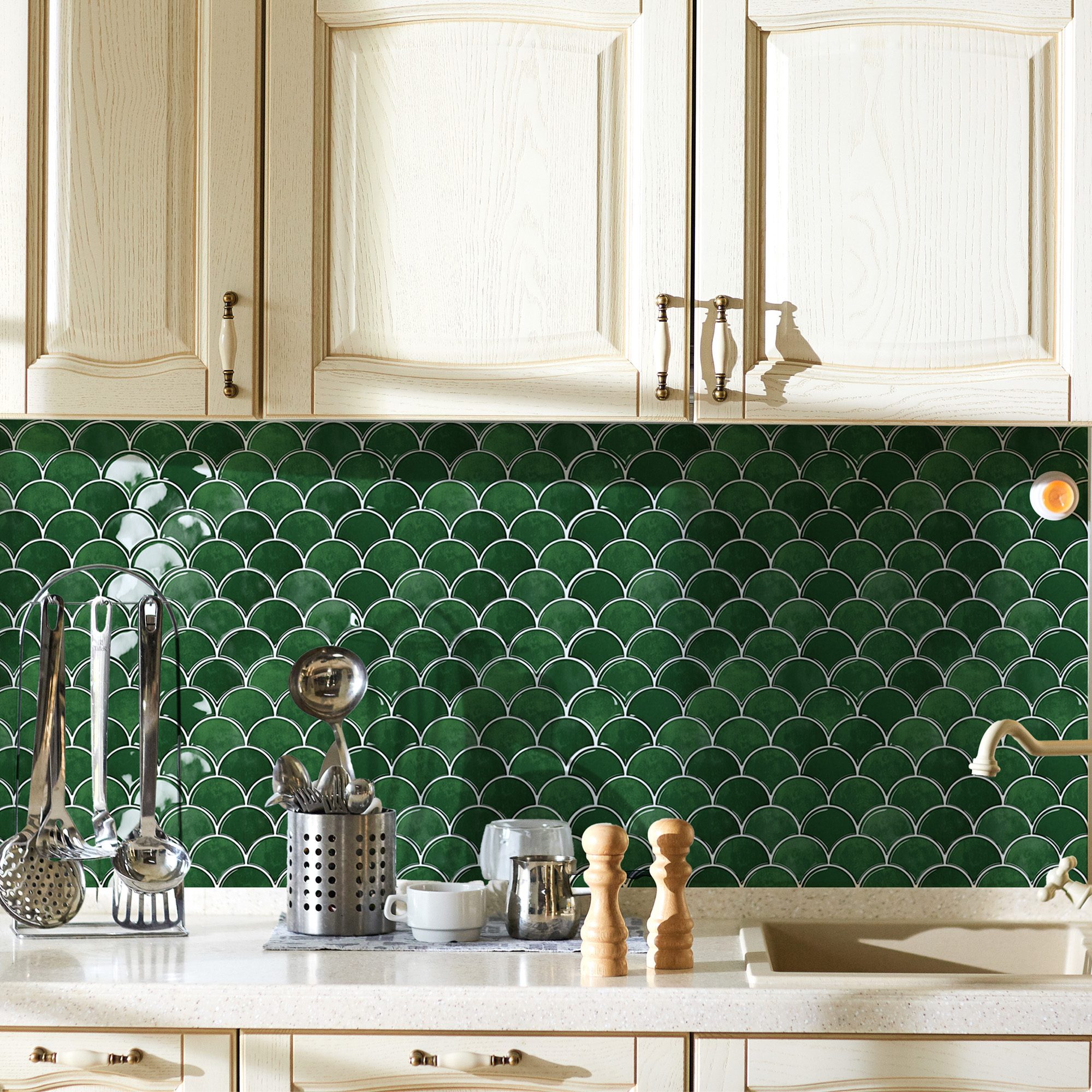
Short answer: Peel and stick tile is a self-adhesive covering — usually PVC, PU or vinyl — that goes up in hours with no mortar or grout and comes off again. Ceramic tile is a permanent wet-installed system using thin-set mortar and grout. Peel and stick wins on speed, cost, removability and rental constraints; ceramic wins in showers, wet floors and anywhere a 20-year-plus surface is expected.
| Factor | Peel and stick tile | Ceramic / porcelain tile |
|---|---|---|
| Installation | Self-adhesive backing, cut with a utility knife | Thin-set mortar, spacers, grout, sealant |
| Time for a backsplash | 2–4 hours, DIY | 1–3 days plus cure time, usually a pro |
| Skill required | None beyond measuring and cutting | Trade skill; substrate prep matters |
| Material cost | Typically $1–$6 per sq ft | Typically $3–$15 per sq ft, plus $8–$20 per sq ft installed |
| Realistic lifespan | 5–10 years indoors on a prepared surface | 20–50 years |
| Water resistance | Water-resistant surface; seams are the weak point | Waterproof as a system when grouted and sealed |
| Heat resistance | Not for direct high heat — keep clear of gas hobs | Heat-resistant |
| Removal | Heat and peel; usually leaves paint intact | Demolition |
| Substrate tolerance | Needs smooth, clean, dry, non-porous surface | Tolerates more variation; mortar levels it |
| Weight and thickness | Around 1–4 mm, negligible load | 7–10 mm plus mortar bed |
| Repair | Replace single tiles | Re-grout or break out and reset |
In North American and European retail these are typical ranges; WOTILE factory-direct pricing sits well below them because there is no importer or showroom margin.
Yes, and it is common. A ceramic floor with a peel and stick backsplash is a standard pairing — the floor takes the wear, the wall does the visual work and stays cheap to change. Run a bead of silicone at the perimeter of any peel and stick install near water to stop moisture tracking under the edges.
No. A properly installed ceramic or porcelain surface lasts 20–50 years. Peel and stick tile realistically lasts 5–10 years indoors on a well-prepared surface. It is a semi-permanent solution, not a substitute for ceramic in wet or high-wear areas.
Yes. Degrease the old tile thoroughly, fill deep grout lines so the surface is flat, then press firmly with a seam roller. This is one of the most common applications.
The tile face is waterproof, but the seams are not. Peel and stick tile is water-resistant and suitable for kitchen backsplashes, bathroom walls and vanity areas. It is not suitable for shower interiors or shower floors.
Usually not. Warm the tile with a hair dryer for 30–60 seconds to soften the adhesive, lift a corner with a putty knife and pull slowly at a low angle. Residue comes off with warm soapy water or adhesive remover. Freshly painted or fragile paint may lift — that is the paint failing, not the wall.
On materials, yes — roughly $1–$6 per sq ft against $3–$15 for ceramic, before installation. The real gap is labour: peel and stick needs no pro, while ceramic installation typically adds $8–$20 per sq ft.
Yes, with peel and stick vinyl or LVT/SPC products designed for floor use. The subfloor must be flat within about 3 mm over 3 m, dry and stable. Wall-grade tiles should not be used on floors.
Peel and stick tile is about 1–4 mm thick; ceramic is 7–10 mm plus a mortar bed. Peel and stick adds almost no depth, which is why it works on backsplashes and cabinet returns without trimming doors or fittings.
Direct sunlight, sustained heat and constant moisture shorten its life. Indoors, away from direct sun and standing water, a properly installed tile holds its appearance for most of its 5–10 year service life.
Browse the WOTILE range — peel, stick and refresh any room in minutes. See the best-selling designs or shop floor tiles.