Shop peel and stick tiles
Order a sample pack and test it on your wall first. See the best-selling designs or shop floor tiles.
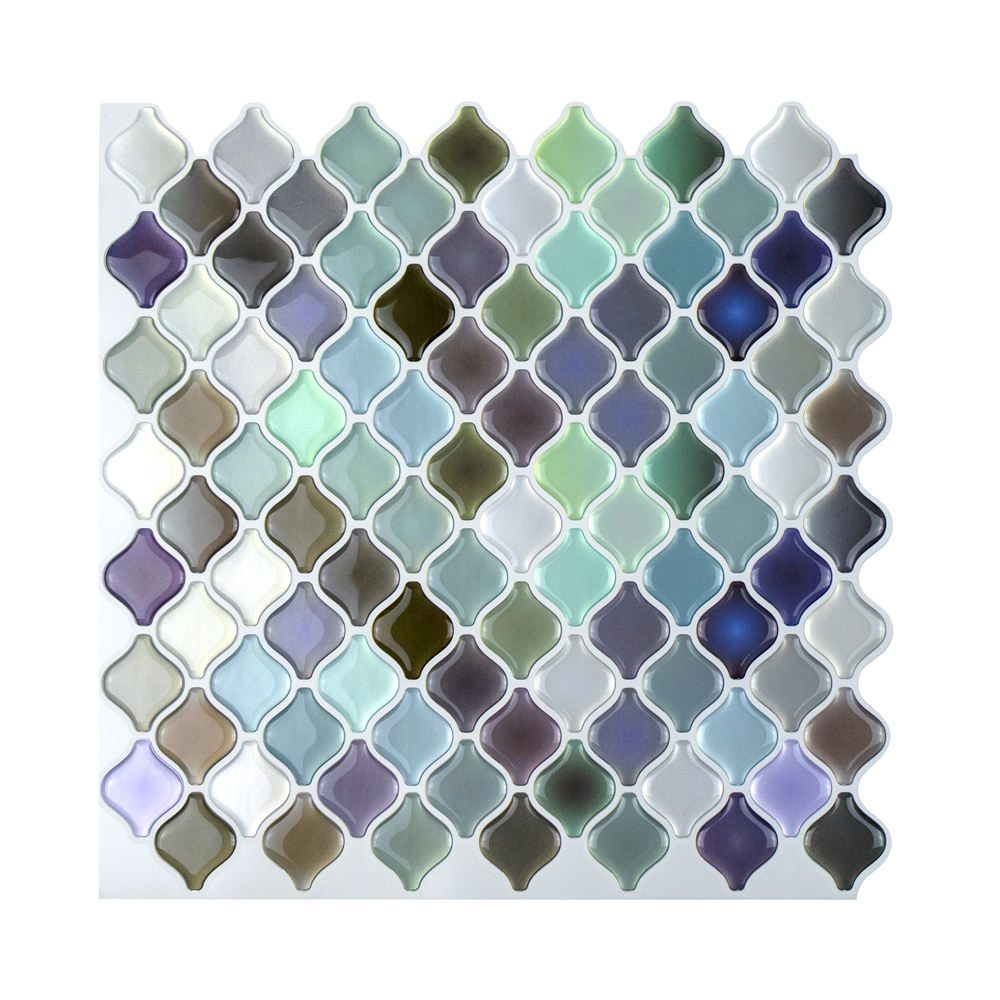

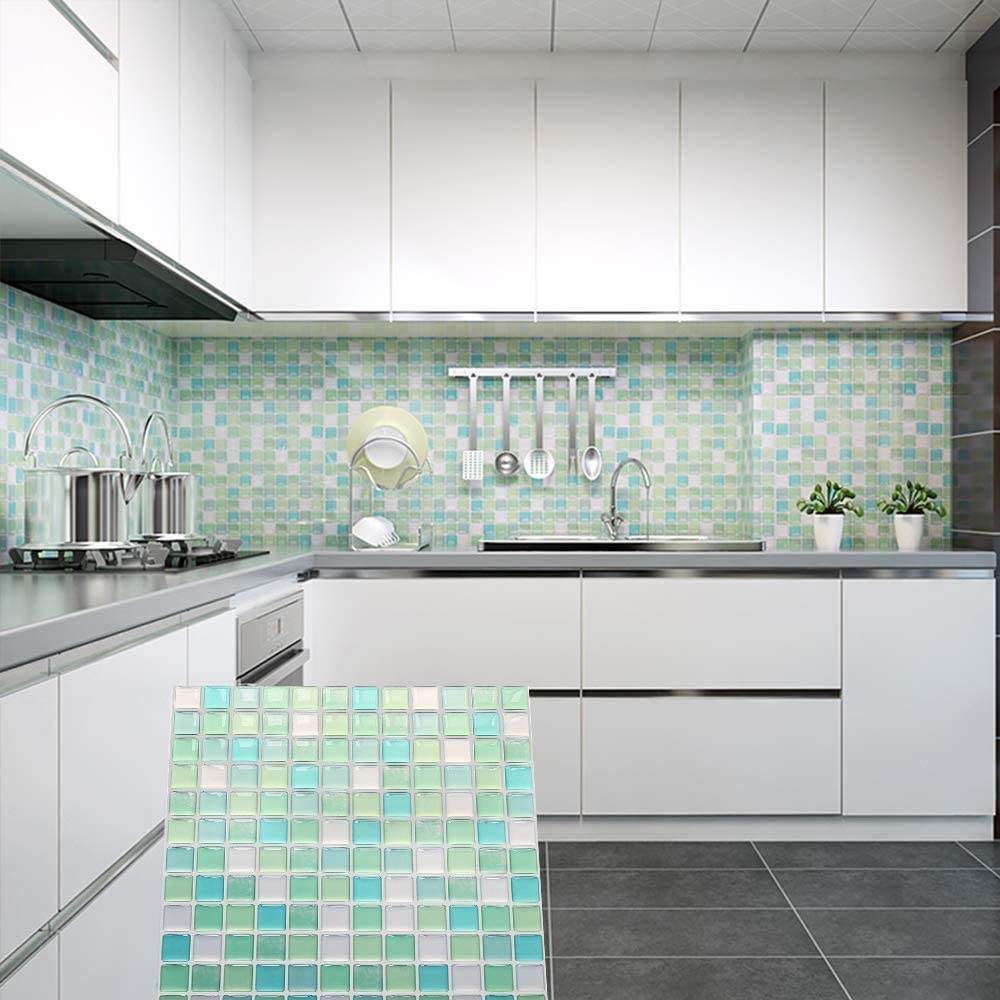
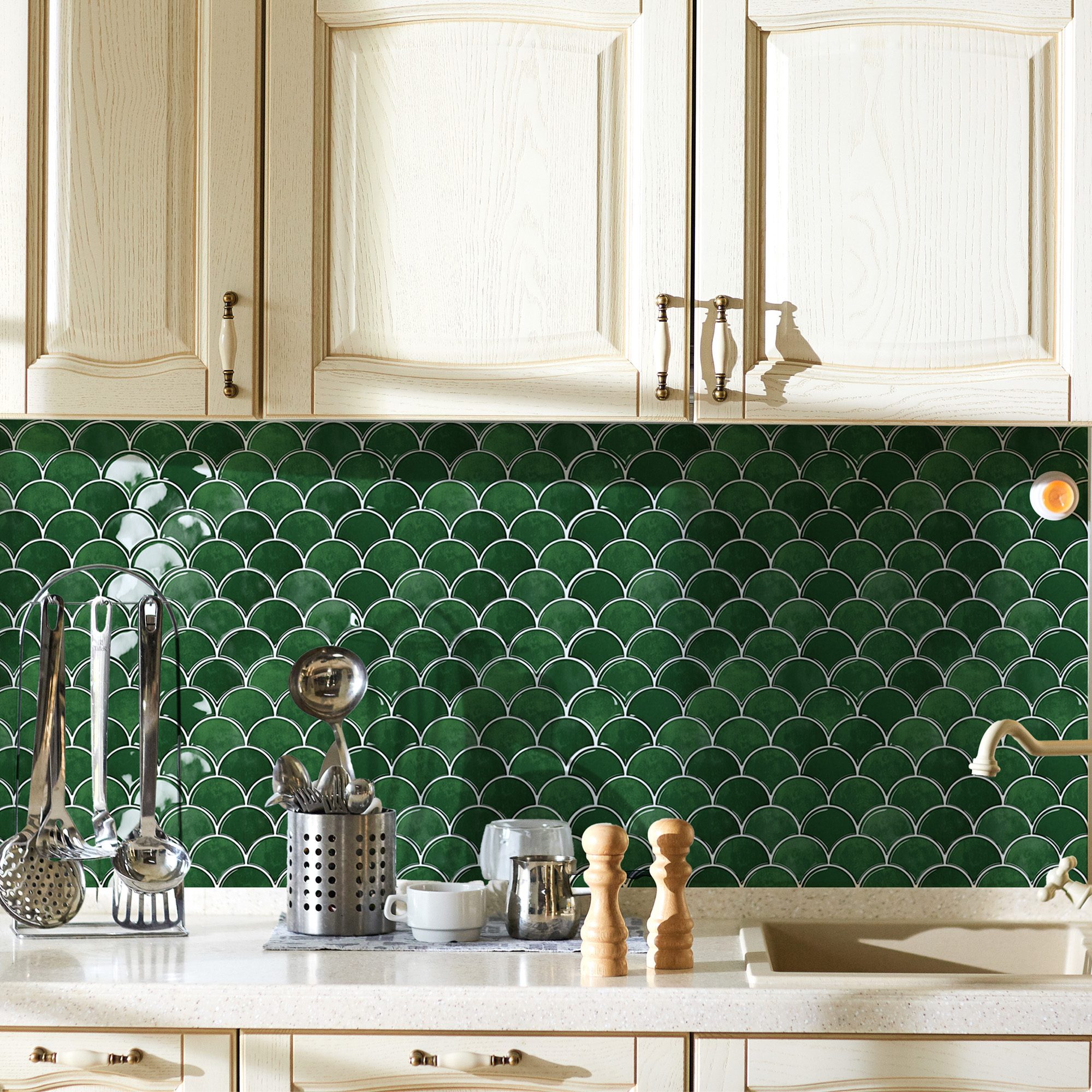
Short answer: On a properly prepared indoor surface, peel and stick tile lasts 5–10 years. PU products commonly run longer, PVC sits in the middle of that range, and thin vinyl is the shortest-lived at roughly 3–7 years. Surface preparation is the single biggest variable — most early failures are installation failures, not product failures.
| Material | Realistic indoor lifespan | Notes |
|---|---|---|
| PU (polyurethane) | Often beyond 10 years | Deepest emboss, best handling durability; the premium choice |
| PVC | 5–10 years | The all-rounder; enhanced water resistance in our 3D wall series |
| Vinyl | 3–7 years | Lowest cost; suited to short-term and rental upgrades |
| LVT / SPC flooring | 5–15 years | Depends on wear layer and traffic |
| Location | Expected life | What shortens it |
|---|---|---|
| Kitchen backsplash | 5–10 years | Grease residue left on the wall, heat from an adjacent hob |
| Bathroom wall or vanity surround | 5–10 years | Poor ventilation, unsealed edges, water tracking behind the tile |
| Feature or accent wall | 8–10 years | Direct sunlight causing fading or yellowing |
| Shower interior | Not recommended | Continuous water exposure breaks the adhesive bond |
| Light-traffic floor | 3–7 years | Subfloor not flat, moisture from below, no perimeter seal |
| Heavy-traffic floor | 1–3 years | Adhesive fatigue from repeated loading |
| Outdoor or unconditioned space | Not recommended | UV, thermal cycling and moisture |
5–10 years with normal cooking use. Avoid installing directly behind a gas hob; leave a clearance or use a heat-rated panel there.
5–10 years on walls and vanity surrounds with reasonable ventilation. Not inside a shower, where continuous water exposure breaks the bond quickly.
No. Floor products carry traffic loads, so expect 3–7 years on light-traffic floors and 1–3 years under heavy traffic. Use LVT or SPC rather than wall-grade tile for floors.
In almost every case it is surface preparation: grease, dust or moisture left on the substrate, or a textured wall that never gave the adhesive a flat surface to grip. Clean, prime with an adhesion promoter and re-press with a seam roller.
Yes. Degrease and dry the surface, use an adhesion promoter on marginal substrates, roll every seam, and run a bead of silicone around the perimeter in wet areas. Avoid direct sun and high heat.
Yes. Sustained heat softens the adhesive and accelerates yellowing. Keep tiles away from gas hobs and direct sunlight.
Yes — WOTILE backs its tiles with a limited warranty; the exact term depends on the product line. Check the listing or contact support for the term that applies to your order.
Typically through a full tenancy cycle — 3–5 years — which is why they are widely used in rentals. Removal is straightforward with heat and leaves the wall ready for the next finish.
Order a sample pack and test it on your wall first. See the best-selling designs or shop floor tiles.