Shop by material
Pick your look and order a sample pack first. See the best-selling designs or shop floor tiles.
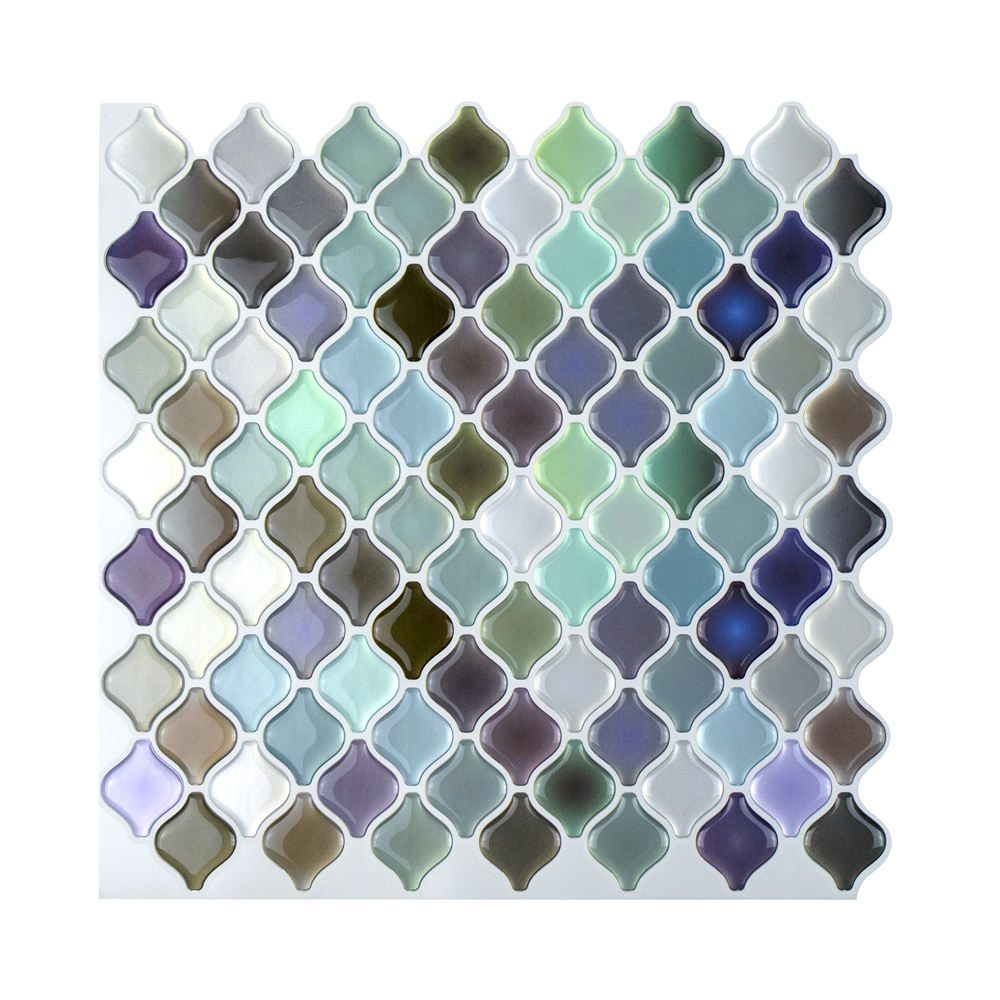
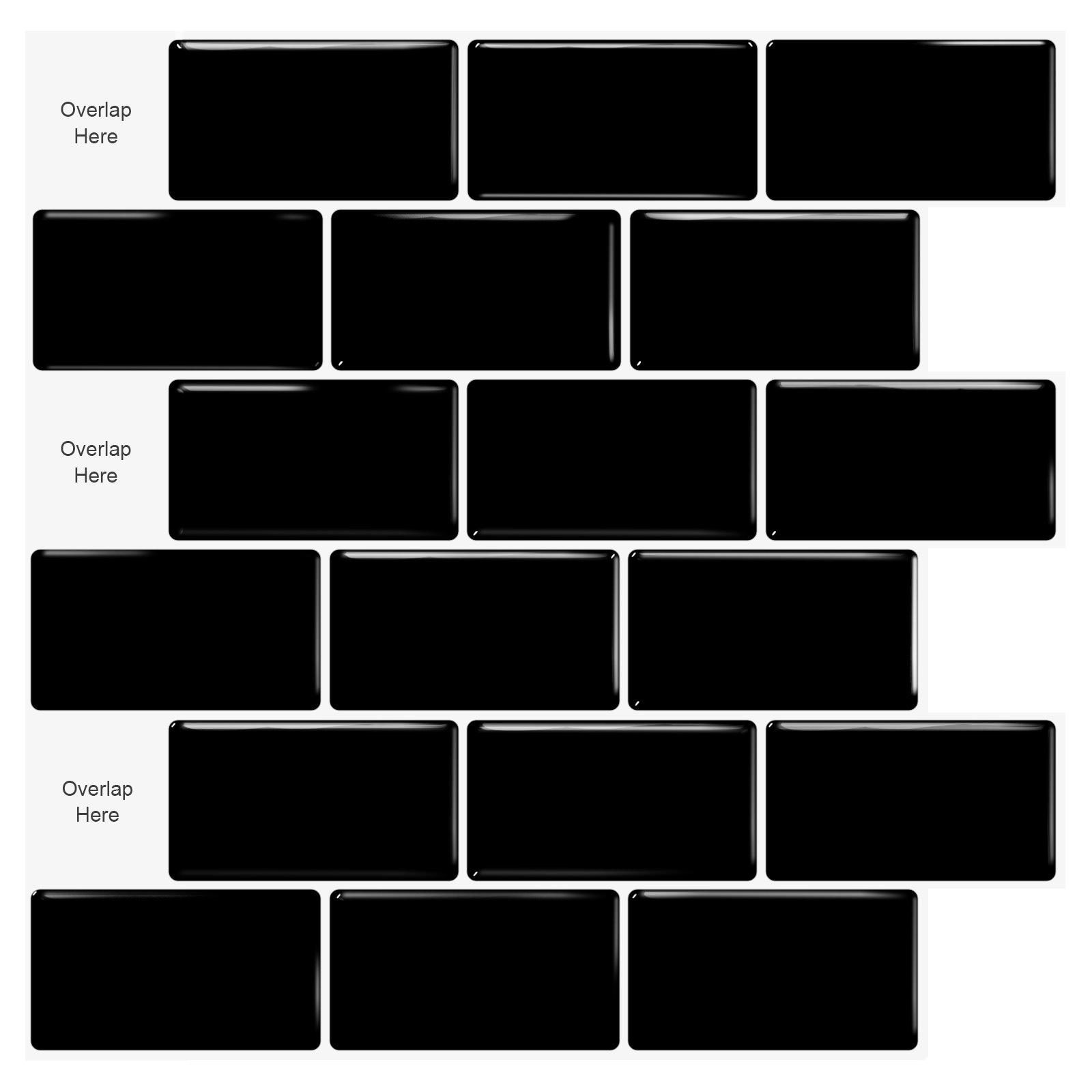
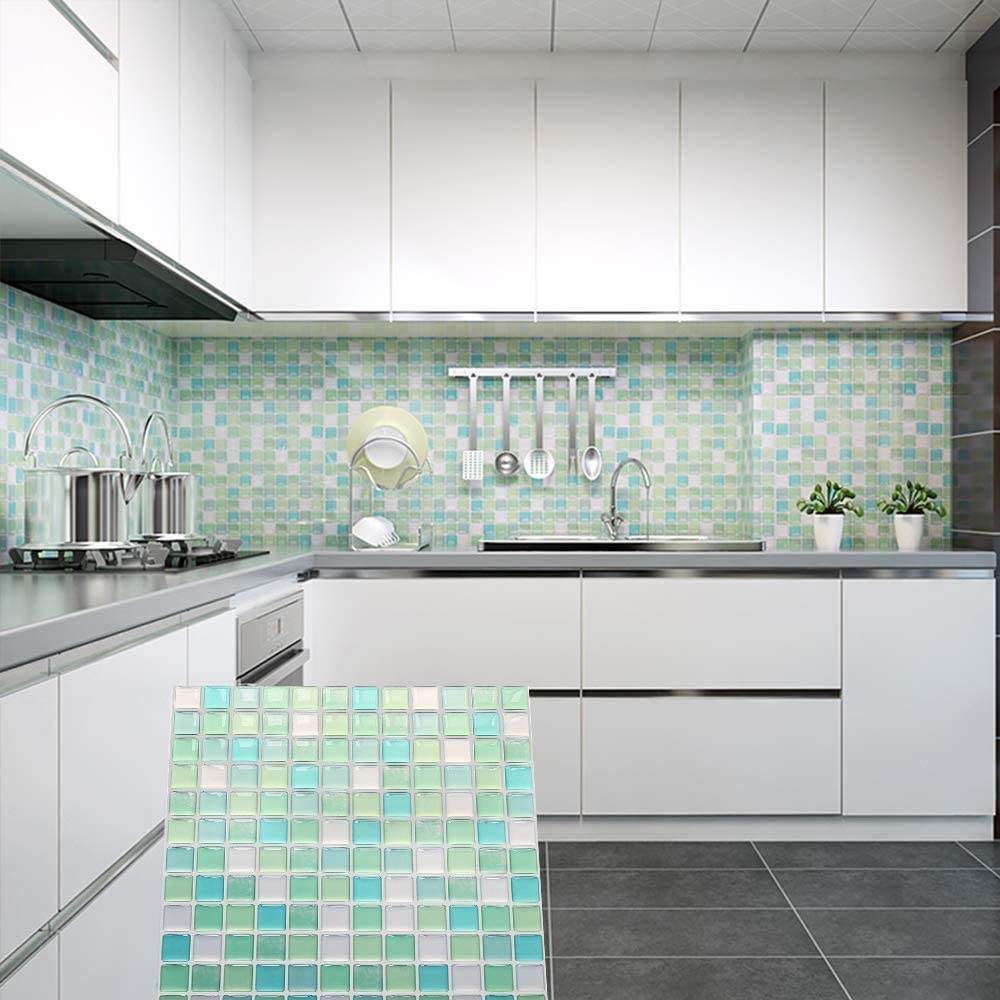
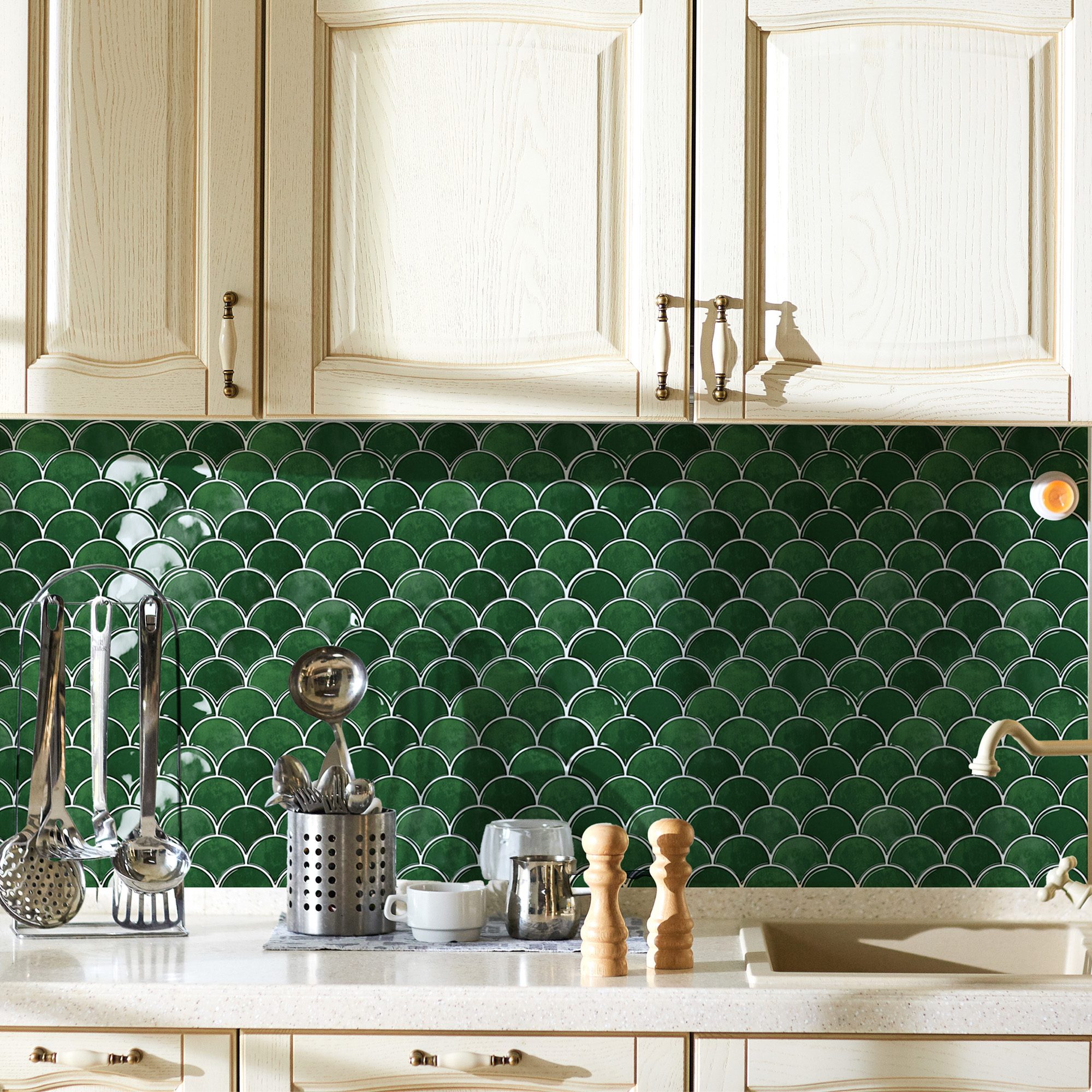
Short answer: PU (polyurethane) gives the deepest emboss and the longest service life, and it is the premium option for 3D feature walls. PVC is the balanced all-rounder — rigid, waterproof, good for backsplashes and wet-area walls. Vinyl is the cheapest and most flexible, best for floors, large flat areas and short-term or rental installs. Pick by application first, then by budget.
| Property | PU (polyurethane) | PVC | Vinyl |
|---|---|---|---|
| Typical thickness | 2–6 mm | 1.2–4 mm | 0.8–2 mm |
| Surface and emboss | Deepest 3D relief, stone and wood looks | Defined geometric and textured relief | Flat to lightly textured, printed finishes |
| Hand feel | Soft, slightly elastic, warm | Rigid, solid | Flexible, thin |
| Water resistance | Water-resistant face; seal seams | Water-resistant face; best for wet-area walls | Water-resistant; common in wet-room vinyl flooring |
| Heat resistance | Moderate — keep clear of direct high heat | Moderate — keep clear of direct high heat | Lowest of the three |
| Realistic lifespan | Longest of the three, often beyond 10 years indoors | 5–10 years | 3–7 years |
| Relative cost | Highest | Mid | Lowest |
| Best application | 3D feature walls, premium retail programmes | Kitchen backsplashes, bathroom walls, shower-adjacent areas | Floors, large flat wall runs, rental and short-term upgrades |
| Typical formats | Panels and 3D tiles | Tiles, subway, mosaic, hexagon, mixed metal | Rolls, planks, peel and stick floor tiles, LVT/SPC |
PU, followed by PVC, then vinyl. On a properly prepared indoor surface, PU commonly runs beyond 10 years, PVC 5–10 years and vinyl 3–7 years. Sunlight, heat and standing water reduce all three.
Yes for bathroom walls, vanity surrounds and backsplashes. Our 3D PVC wall tile series has enhanced water resistance and is the recommended choice for shower-adjacent walls. No peel and stick product should be installed inside a shower.
Both are PVC-family products, but in everyday terms vinyl usually means a thin, flexible, printed product sold in rolls, planks or light tiles, while PVC wall tile means a thicker rigid or semi-rigid moulded tile with real surface relief.
Yes. The range covers PU, PVC and vinyl wall tiles plus LVT and SPC constructions for flooring. Pick the construction that matches the traffic and moisture in the room.
Yes. A common setup is a PU or PVC feature wall with a vinyl or LVT floor — the wall does the visual work, the floor takes the wear. Just keep wall-grade tiles off the floor.
Vinyl in LVT or SPC plank construction. Wall-grade PU and PVC tiles are not designed for floor loads.
Yes. WOTILE peel and stick tiles are CE and SGS certified, produced on our own PU and PVC production lines. Certification documents are available on request.
The catalogue is updated regularly with new patterns. For a look not listed, reach out and we will see what is possible — bespoke colours and emboss are developed for larger orders.
Pick your look and order a sample pack first. See the best-selling designs or shop floor tiles.