Shop peel and stick tiles
Browse the WOTILE range — peel, stick and refresh any room in minutes. See the best-selling designs or shop floor tiles.
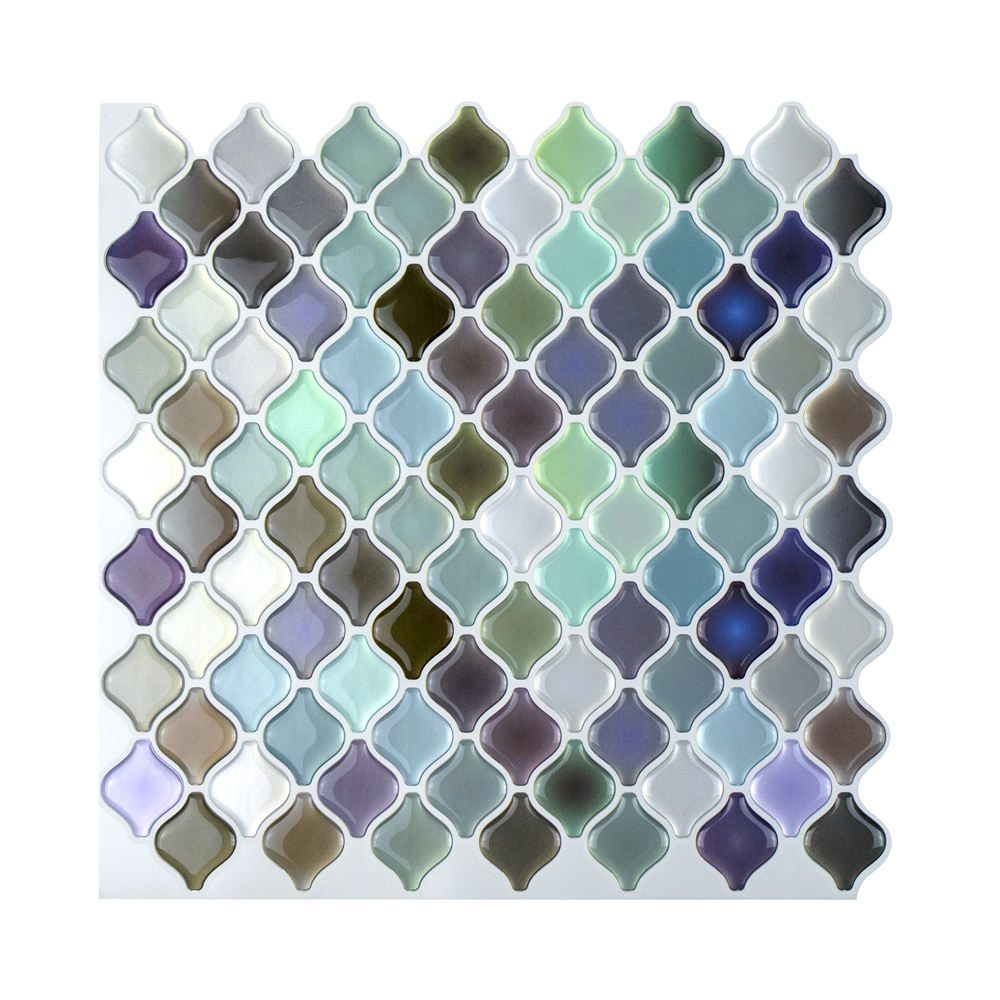
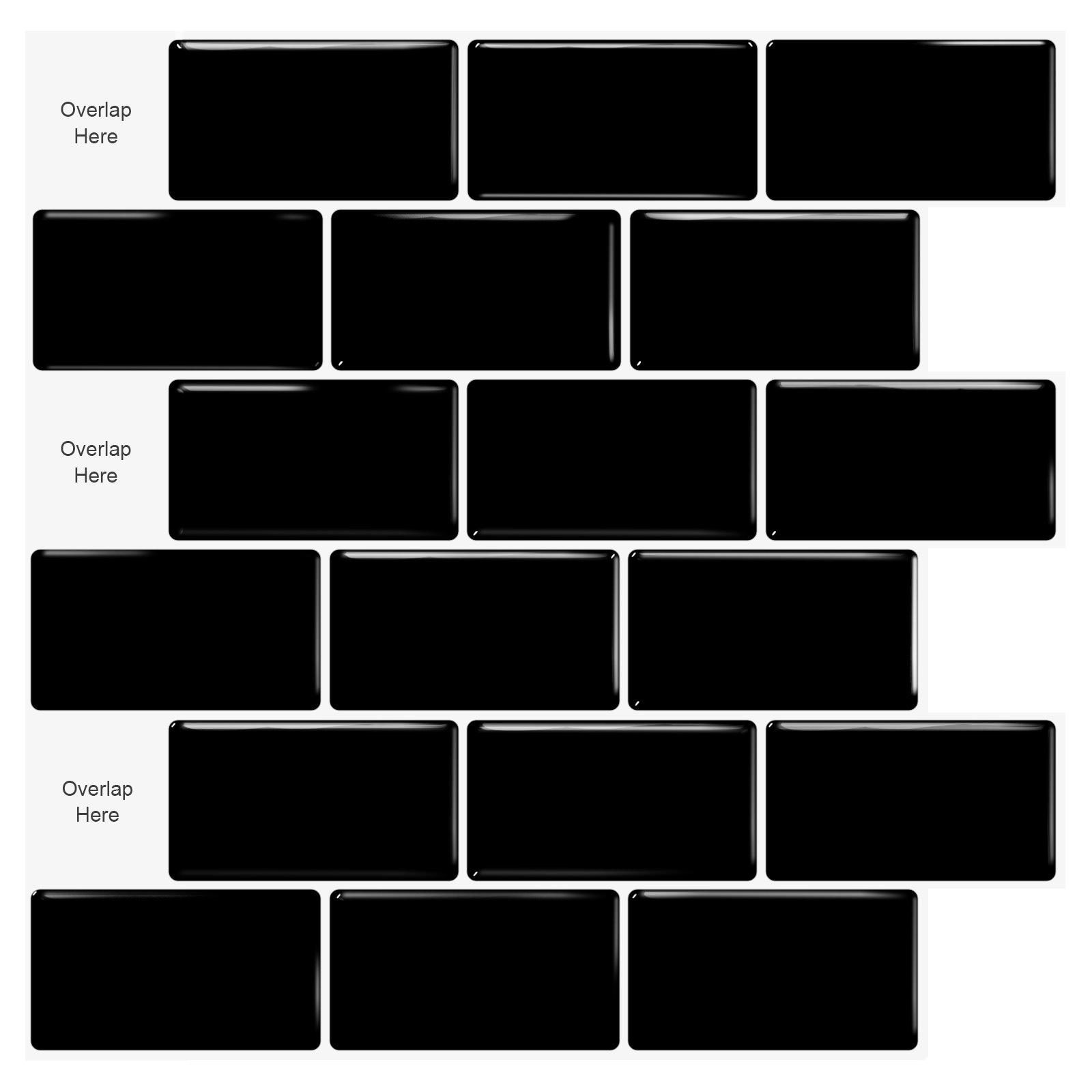
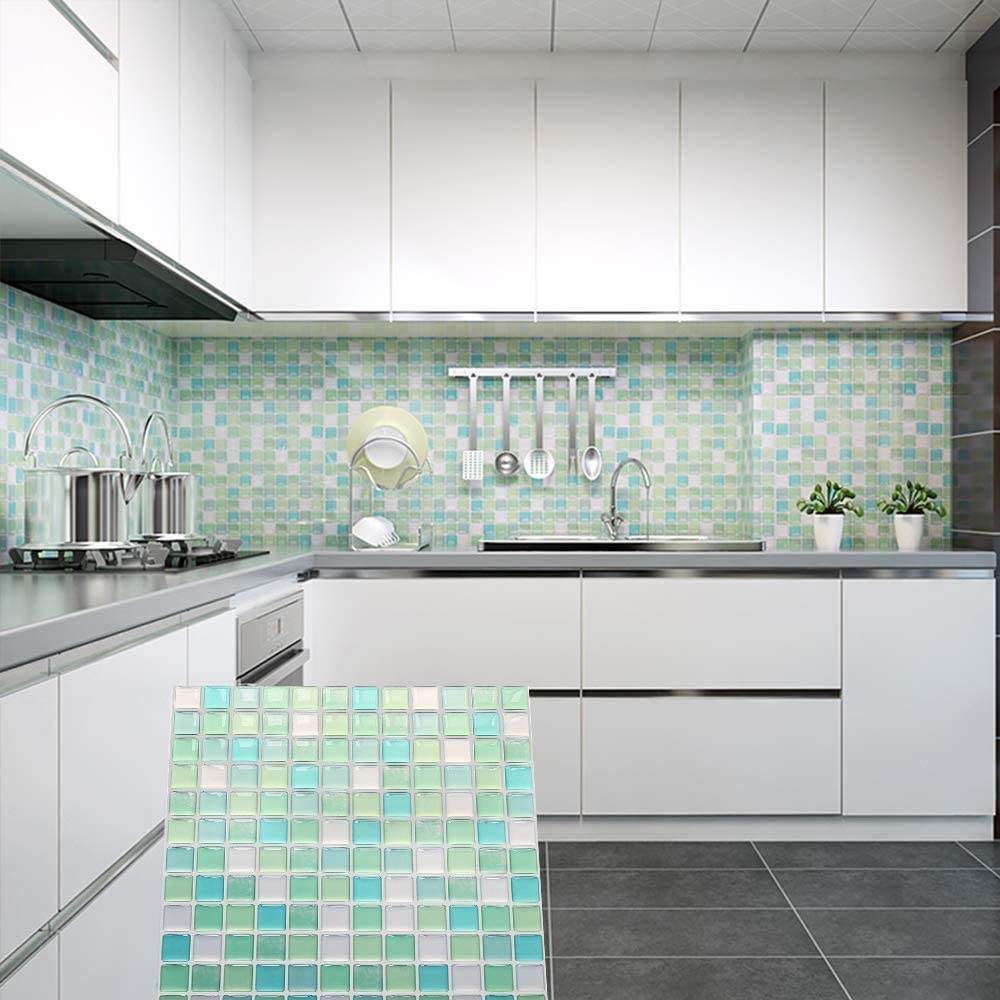
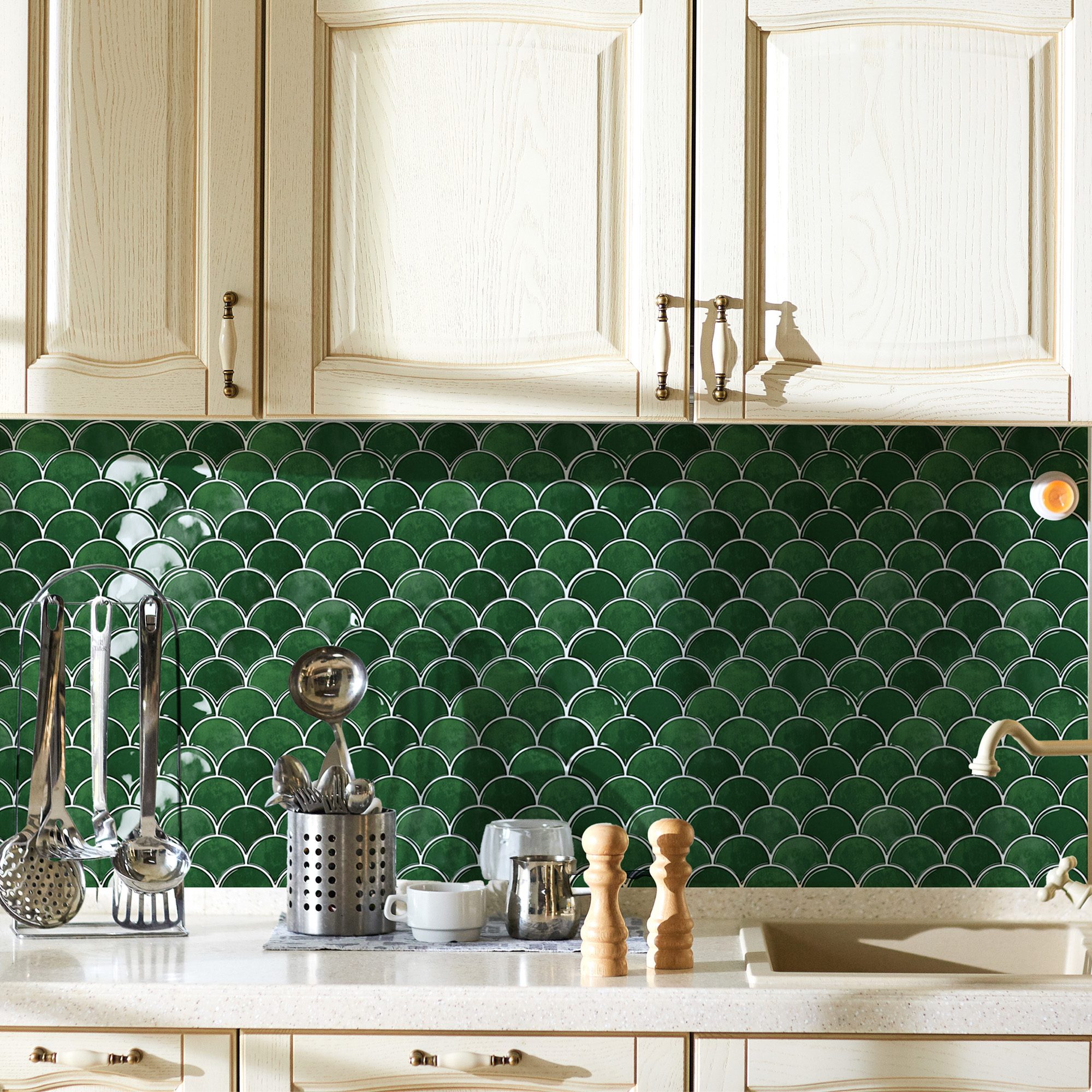
Short answer: Glossy finish reflects light, so it brightens a dark room and reads as glazed ceramic — but it shows every fingerprint and every bump in the wall underneath. Matte finish absorbs light, looks like stone or painted plaster, hides marks and scratches, and is far more forgiving on an imperfect surface. Kitchens and small dark rooms usually go glossy for the wipe-clean brightness; accent walls, bedrooms, large flat areas and floors usually go matte.
| Factor | Glossy | Matte |
|---|---|---|
| Light reflection | Reflects light; brightens a dark room | Absorbs light; softer and flatter |
| Look | Polished, wet, ceramic-like | Stone, plaster, painted concrete |
| Shows fingerprints | Yes — oils and smudges are visible | Barely — most marks disappear |
| Shows scratches | More visible on dark colours | Much less visible |
| Hides wall imperfections | Poorly — gloss amplifies every bump | Well — diffuses the light |
| Cleaning | Wipe with a damp microfibre cloth | Same, and slightly more forgiving |
| Slip resistance when wet | Lower | Higher — the better floor finish |
| Best rooms | Kitchen backsplash, small dark bathrooms | Accent walls, bedrooms, large walls, floors |
| Grout-line illusion | Stronger — gloss reads as glaze | Softer and more seamless |
| Colour depth | Brighter and deeper | Muted, chalky |
| Price | Same | Same |
Cost and lifespan figures are typical retail ranges for North America and Europe. WOTILE prices sit below them because the tile ships factory-direct, with no importer or showroom margin in the chain.
WOTILE tiles are 1–4 mm thick in both finishes, and the two finishes cost the same per sheet — $2.90 for the polished white marble subway tile, $4.20 for the PU gel Hot Lantern. Free shipping over $99, 30-day returns, CE/SGS compliant.
A glossy surface is a mirror at a shallow angle. Stand at the side of a glossy tiled wall and you will see the reflection of the window, the counter and the light fitting. That is what makes a small dark kitchen feel bigger — and it is also why every fingerprint and every ripple in the plaster shows up.
A matte surface scatters light in all directions instead. There is no reflection to catch the eye, so the eye reads texture and colour rather than imperfections. On a wall that is not perfectly flat, matte will look like real stone and gloss will look like a decal. This is the single most common reason a peel and stick installation disappoints.
Yes, and it is one of the better tricks in the category. A matte field with a glossy accent strip reads as intentional design rather than as a mismatch, and it lets you put the easy-clean finish exactly where it is needed. Keep the colour family identical — the contrast should be in the finish, not the shade.
Slip resistance decides this one. Gloss is slicker when wet, which is why a glossy finish belongs on walls and dry areas only. For floors, choose a matte or embossed finish rated R10 or higher, and keep glossy floor tiles out of bathrooms and kitchens entirely.
Both wipe clean with a damp microfibre cloth and warm soapy water. Glossy shows smudges more between cleans; matte hides them. Neither needs a special product — avoid abrasive pads and solvent cleaners, which dull the surface.
No — if anything the opposite. Gloss amplifies every bump and ripple in the wall underneath, while matte diffuses the light and hides small imperfections. On a wall that is not perfectly flat, matte usually looks more like real tile.
Yes, noticeably more so when wet. For floor use choose a matte or textured finish with a slip rating of R10 or higher. Glossy floor tiles belong in dry rooms only.
Glossy, in most kitchens. It wipes down faster and reflects light into a work area that is often short of it. The exception is a wall that is not flat — there, matte hides the problem better.
Matte hides dry marks and fingerprints better, but a matte surface can hold a grease film that is harder to spot. Either way, wipe weekly with warm soapy water rather than waiting for the film to build up.
Yes, and it is common: matte walls with a glossy accent strip, or a glossy backsplash above a matte floor. Keep the colour family the same so the contrast in finish reads as deliberate.
The finish is a surface coating, and both last the same five to ten years indoors. Glossy coatings show micro-scratches earlier, particularly on dark colours, so matte tends to look newer for longer.
No. Glossy and matte versions of the same WOTILE tile cost the same per piece, so choose on the room and the wall, not on price.
Browse the WOTILE range — peel, stick and refresh any room in minutes. See the best-selling designs or shop floor tiles.