Shop peel and stick tiles
Browse the WOTILE range — peel, stick and refresh any room in minutes. See the best-selling designs or shop floor tiles.
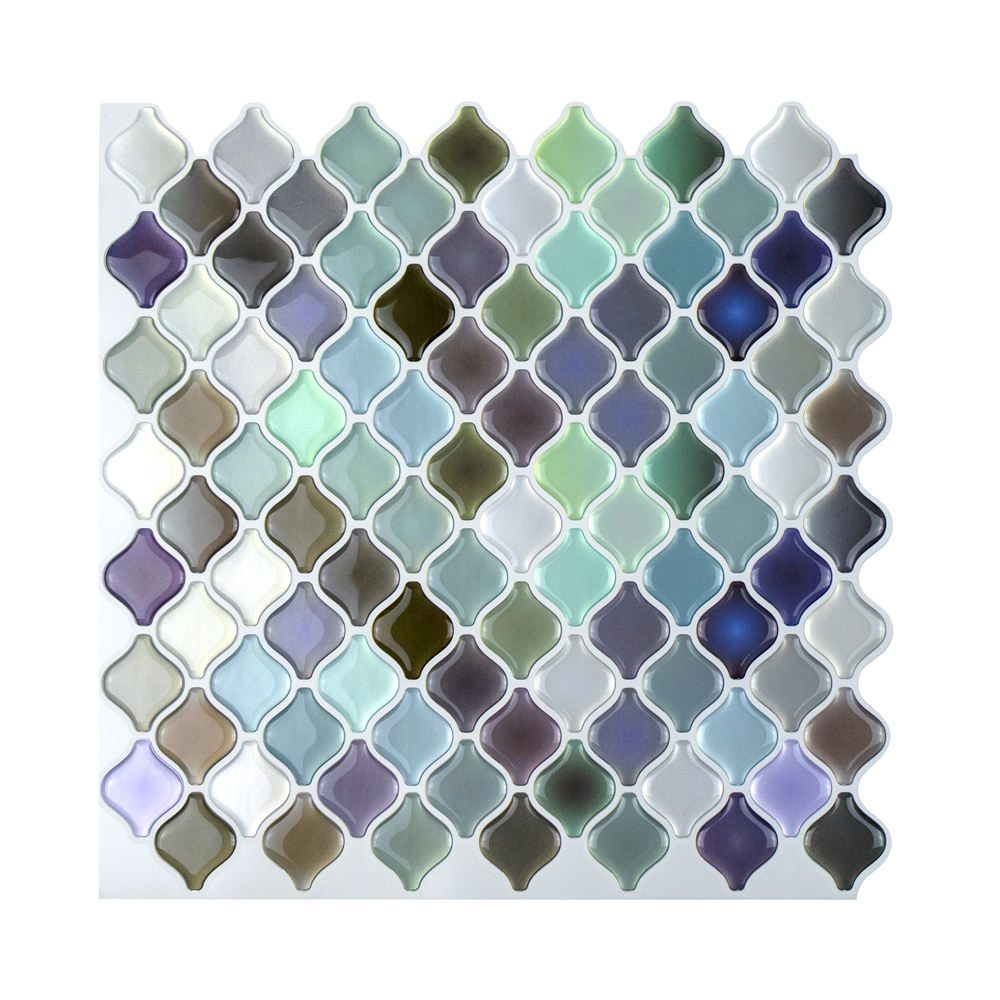
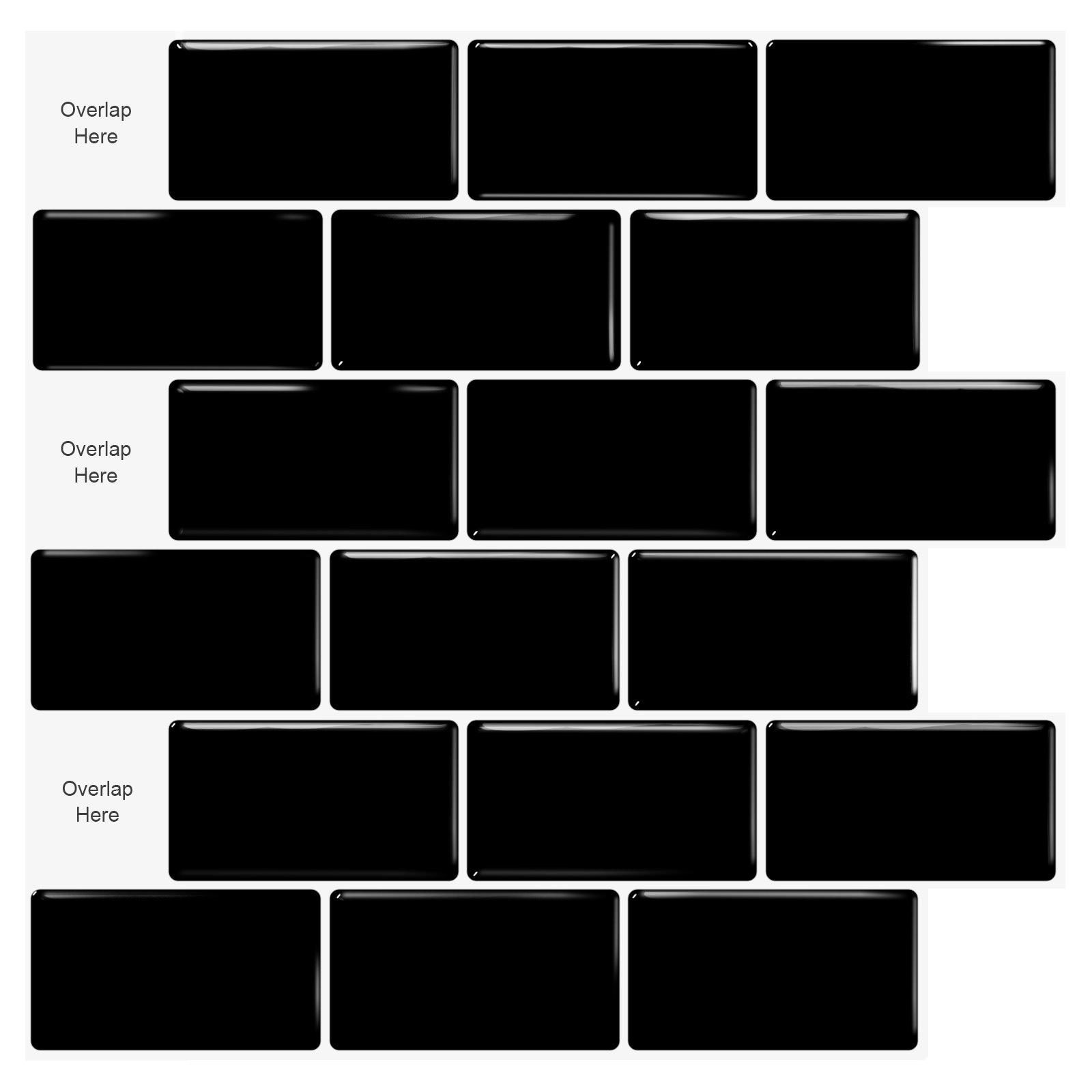
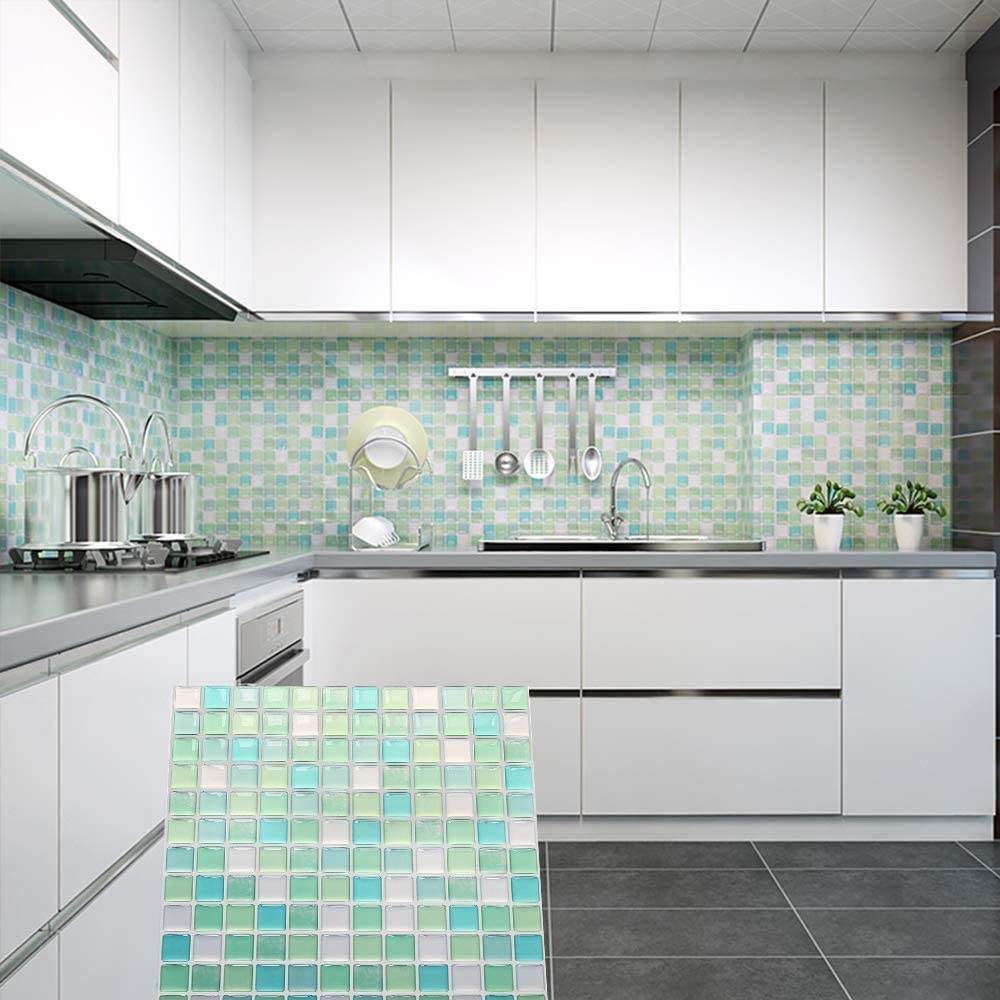
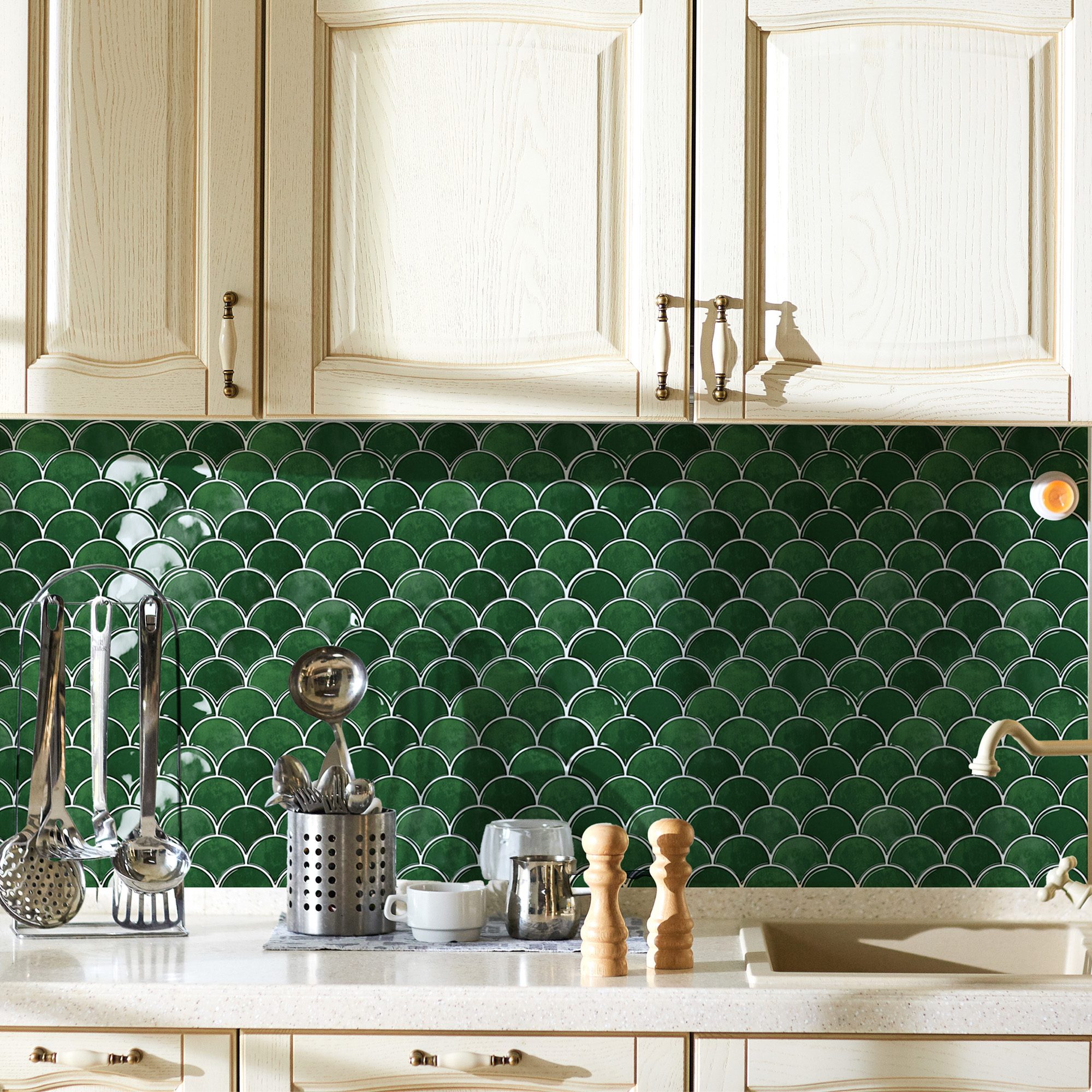
Short answer: Peel and stick tile is a thin self-adhesive sheet — usually 1 to 3 mm — that sticks straight to a flat, clean subfloor or over an existing hard floor. Vinyl plank flooring, whether LVT or rigid SPC, is a thicker click-lock or glue-down system at roughly 4 to 8 mm with a rigid core and a factory wear layer. Vinyl plank is the better floor for heavy traffic, uneven rooms and long life; peel and stick tile is the faster, cheaper, more reversible option for small rooms, rentals and quick refreshes.
| Factor | Peel and stick floor tile | Vinyl plank flooring (LVT / SPC) |
|---|---|---|
| Thickness | 1–3 mm | 4–8 mm |
| Construction | Single self-adhesive sheet | Core plus wear layer, click or glue-down edge |
| Installation | Peel the backing, press down, roll the seams | Click-lock floating, or glue-down |
| Time for a 10 m² room | 1–3 hours | 3–6 hours |
| Tools | Utility knife, seam roller | Knife, spacers, tapping block, sometimes underlay |
| Subfloor tolerance | Must be flat and smooth — it telegraphs every bump | Tolerates slight unevenness, especially rigid SPC |
| Water resistance | Water-resistant face; seams are the weak point | Waterproof core; click joints seal better |
| Realistic lifespan | 5–10 years | 10–25 years |
| Cost of materials | Typically $1–$4 per sq ft | Typically $2–$8 per sq ft |
| Removal | Warm and peel, usually reversible | Floating planks lift easily; glue-down does not |
| Underfloor heating | Not recommended | Some SPC and LVT systems are compatible |
| Best for | Small rooms, rentals, over existing hard floors | Whole floors, high traffic, long-term homes |
Cost and lifespan figures are typical retail ranges for North America and Europe. WOTILE prices sit below them because the tile ships factory-direct, with no importer or showroom margin in the chain.
WOTILE floor tiles are 1–3 mm thick vinyl PVC, from $1.90 per sheet in 10-sheet boxes. Free shipping over $99, 30-day returns, CE/SGS compliant.
Everything else follows from how thick the product is. A 1–3 mm self-adhesive sheet has no core to bridge anything: every ridge, screw head and grout line in the subfloor prints through within weeks. A 4–8 mm vinyl plank has a core, and a rigid SPC core in particular will span small imperfections that would ruin a peel and stick floor.
So the question is not which product is better in the abstract. It is whether your subfloor is flat. If it is flat, clean and dry, peel and stick gives you a finished floor in an afternoon for very little money. If it is not, either spend the time levelling it or buy plank.
Yes, and it is a sensible split. Use plank in the living areas and hallways where traffic concentrates, and peel and stick tile in small rooms and utility spaces where the floor is already flat. Keep the colour family close so the transition at the doorway reads as deliberate rather than as a mistake.
Peel and stick tile is the more forgiving product here, with one condition: the floor underneath must be firmly fixed. Glue-down vinyl, ceramic tile, sealed concrete and well-bonded sheet vinyl are all good substrates after a degrease. A floating plank floor is not — it moves underfoot, and the tile joints will crack along the plank edges.
Only if the planks are glue-down and firmly fixed. A floating plank floor moves as you walk on it, and the movement cracks the tile joints along the plank edges. If the planks are stable, degrease and prime them first; if they float, do not tile over them.
No. Vinyl plank has a rigid core and a factory wear layer, so it holds up for ten to twenty-five years. Peel and stick tile realistically lasts five to ten years indoors on a well-prepared subfloor.
Peel and stick tile, on both materials and labour. A ten square metre room can be finished for the price of the tiles alone. Vinyl plank usually adds underlay, trim, spacers and considerably more cutting time.
Vinyl plank, if the room sees standing water. Peel and stick tile is water-resistant on the face but the seams are the weak point, which makes it suitable for a dry bathroom or a half-bath rather than a wet room or a shower floor.
Yes. Degrease the old tile thoroughly, fill the grout lines flush so the surface is flat, then press each tile down with a seam roller. Tiling over existing tile is one of the most common applications.
No. It bonds directly to the subfloor. Underlay would sit between the adhesive and the surface it needs to grip, and the floor would move.
Peel and stick tile. Warm it gently and lift it at a low angle. A floating vinyl plank floor simply comes apart in reverse order, but a glue-down plank floor is effectively permanent.
Generally no. Heat cycling softens the adhesive and the tiles lift at the edges. Use a floating SPC or LVT system rated for underfloor heating instead.
Browse the WOTILE range — peel, stick and refresh any room in minutes. See the best-selling designs or shop floor tiles.