Shop peel and stick tiles
Browse the WOTILE range — peel, stick and refresh any room in minutes. See the best-selling designs or shop floor tiles.
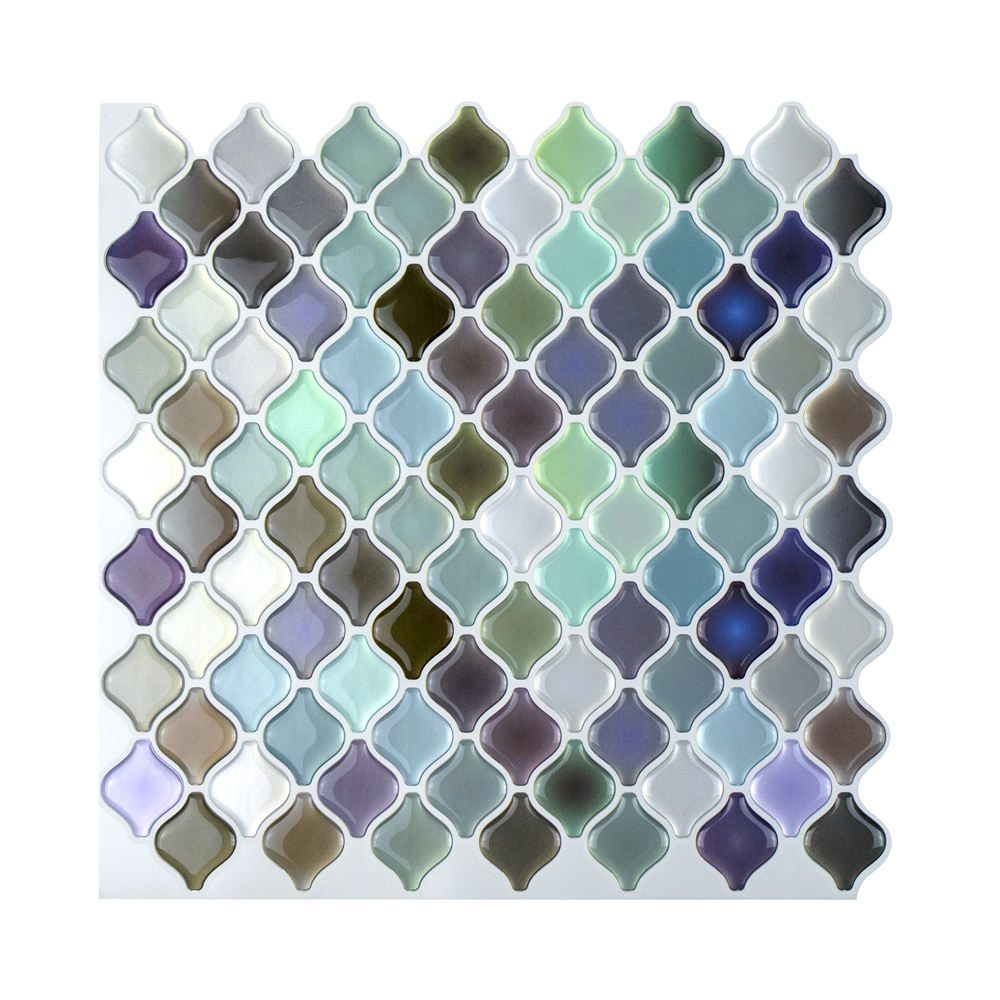
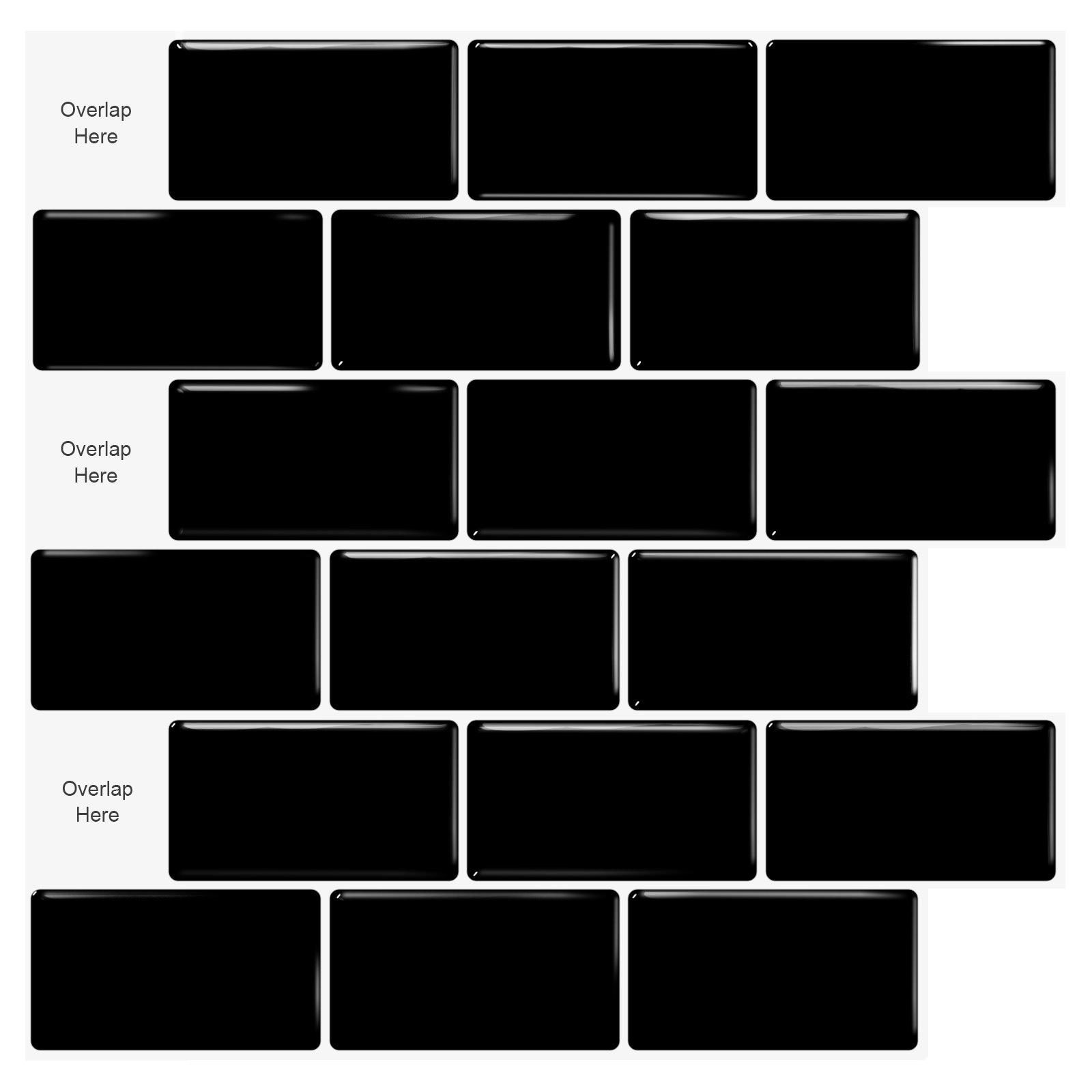
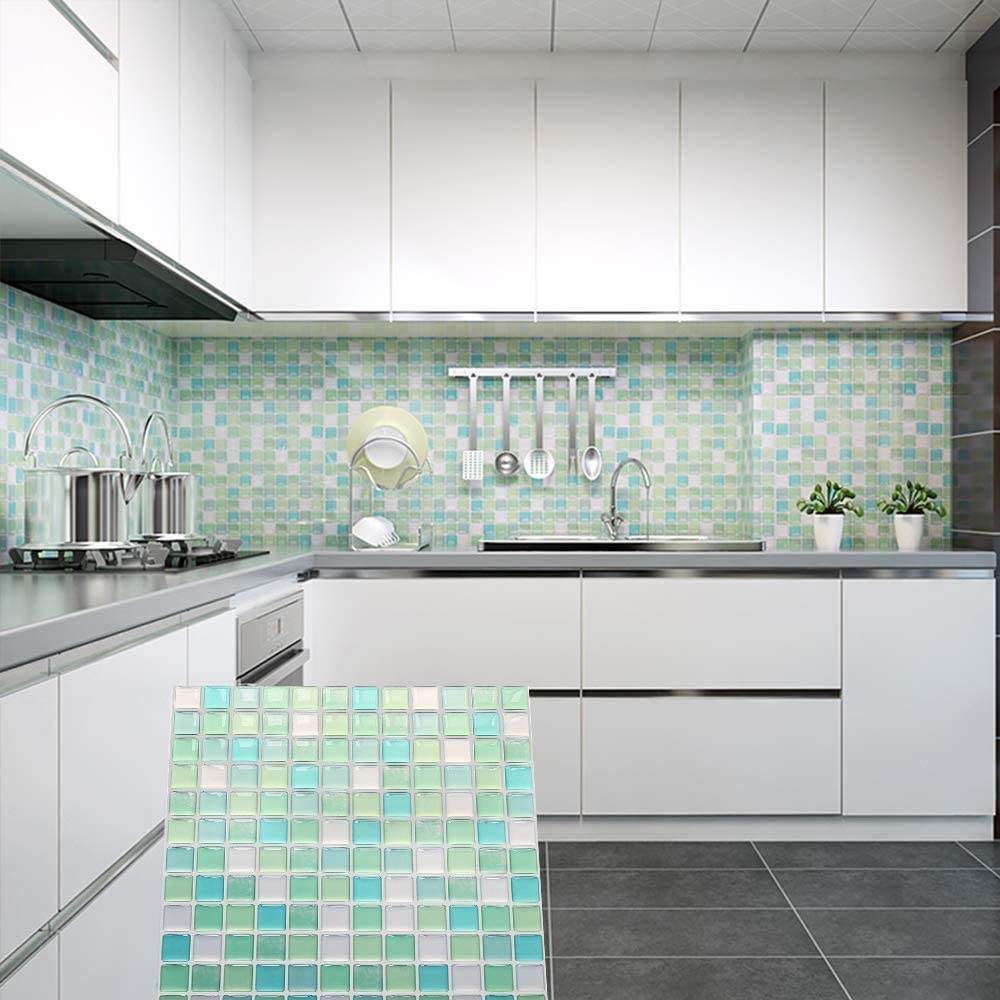
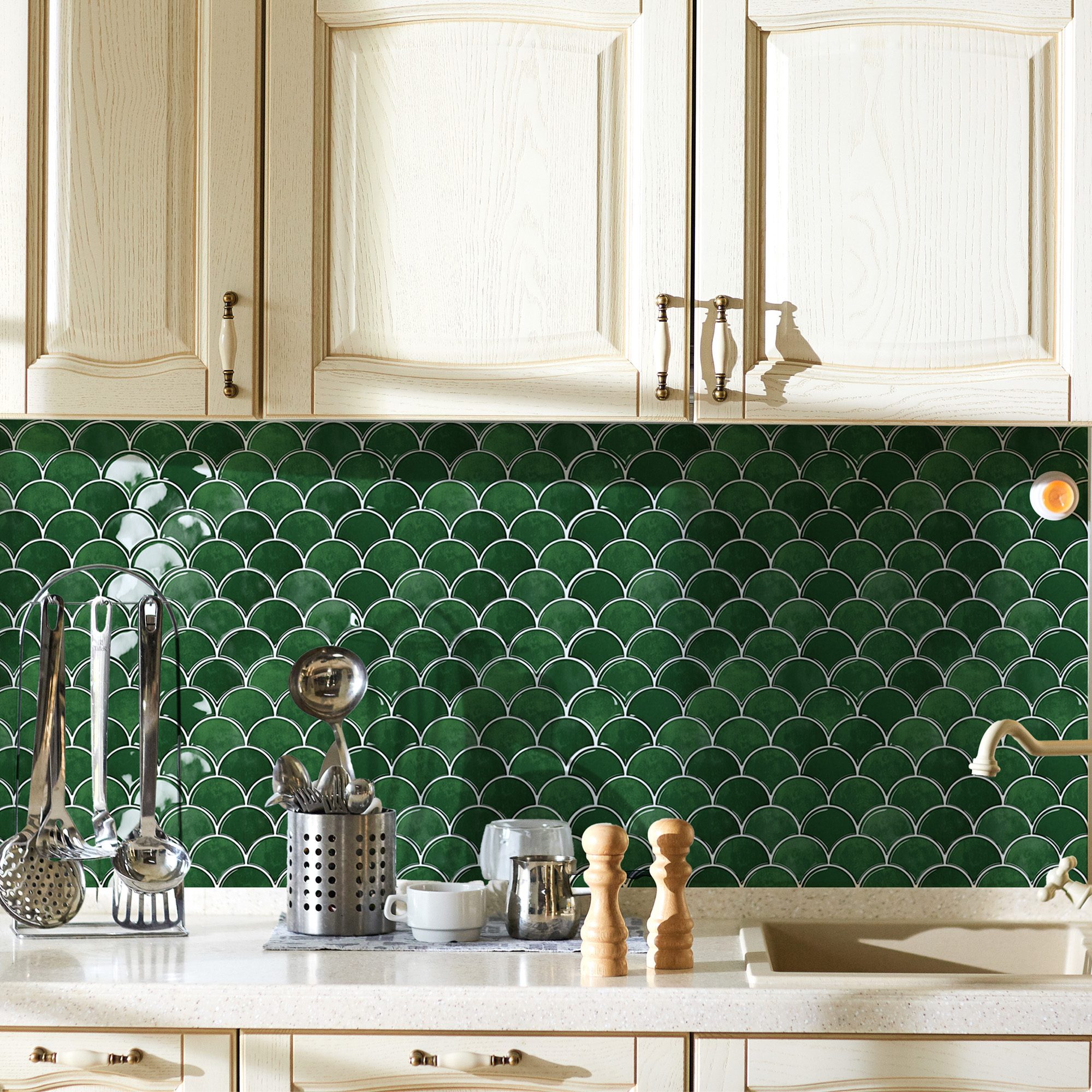
Short answer: 3D foam tiles, usually PE or XPE foam, are lightweight, thick and soft at roughly 3 to 8 mm — and cheap — but they dent, absorb moisture at cut edges and cannot be scrubbed. 3D PVC wall tiles have a rigid or semi-rigid PVC body at typically 1 to 3 mm with a harder printed or embossed surface that wipes clean, resists water and holds its relief. Foam is for dry feature walls on a tight budget; PVC is for anywhere that gets wiped, splashed or steamed.
| Factor | 3D foam tile (PE / XPE) | 3D PVC wall tile |
|---|---|---|
| Thickness | 3–8 mm | 1–3 mm |
| Weight | Very light | Light |
| Feel | Soft and spongy | Firm, tile-like |
| Surface | Foamed and printed | Printed, embossed or laminated |
| Water resistance | Absorbs water at cut edges | Water-resistant |
| Durability | Dents and compresses | Holds relief, resists scuffs |
| Cleaning | Dab only — no scrubbing | Wipe with a damp cloth |
| Heat tolerance | Low | Higher; still keep clear of direct flame |
| Cut edges | Crumb and tear | Cut clean with a knife |
| Realistic lifespan | 1–3 years | 5–10 years indoors |
| Best rooms | Bedroom, office, dry feature wall | Kitchen, bathroom wall, hallway, rental |
| Price | Lowest | Low to mid |
Cost and lifespan figures are typical retail ranges for North America and Europe. WOTILE prices sit below them because the tile ships factory-direct, with no importer or showroom margin in the chain.
WOTILE 3D relief panels are flexible PVC, 1–3 mm thick and from $4.80 per panel in 5-panel boxes. Free shipping over $99, 30-day returns, CE/SGS compliant.
Foam is thick because it is mostly air. That makes it cheap, light and easy to press into a deep relief pattern, and it also means the material compresses. Press a fingernail into a foam tile and the mark stays. Press one into a PVC tile and nothing happens.
The second consequence is at the cut. A foam tile is an open-cell material once you cut it, so any moisture that reaches the exposed edge is absorbed into the body. In a kitchen or a bathroom, that is the beginning of the end: the edge swells, the adhesive releases and the tile curls. A PVC tile is closed, so the cut edge stays inert.
Two things settle it before you order. Look at the stated thickness: anything over about 4 mm that feels spongy and very light is foam, while PVC relief tiles are 1–3 mm and feel firm. Then look at the cut edge in the product photographs. A PVC tile shows a clean, solid section; a foam tile shows a spongy open core.
PVC, for any wall that gets wiped, splashed or steamed. Foam is lighter and cheaper, but it dents under a fingernail, absorbs water at every cut edge and cannot be scrubbed clean.
The printed face resists splashes, but the foam core absorbs water wherever it has been cut. That makes it unsuitable for bathrooms, kitchens and anywhere with condensation, because the cut edges are the first thing to fail.
On walls, yes, provided they are away from the shower interior. They are water-resistant and wipe clean. Keep them clear of direct high heat, such as the immediate zone above a gas hob.
PVC. The thinner body and harder surface hold a crisper relief and a sharper print, and the cut edges stay square instead of crumbling, so the finished wall reads as tiled rather than as covered.
Yes, typically the cheapest self-adhesive wall tile available. The saving is real, and so is the shorter service life — one to three years against five to ten for PVC.
Look at the thickness and the weight. Anything over about 4 mm that feels spongy and very light is foam. PVC tiles are 1 to 3 mm and feel firm, with a solid cut edge visible in the product photographs.
Some people do, but the surface is printed and sealed, so paint adhesion is unreliable and the relief traps the brush. Choose the colour you want at the start instead.
Both are peel and stick, so installation is comparable. PVC cuts more cleanly, which makes it easier to get tight edges around sockets, switches and corners.
Browse the WOTILE range — peel, stick and refresh any room in minutes. See the best-selling designs or shop floor tiles.