Common Mistakes When Installing Peel and Stick Tiles
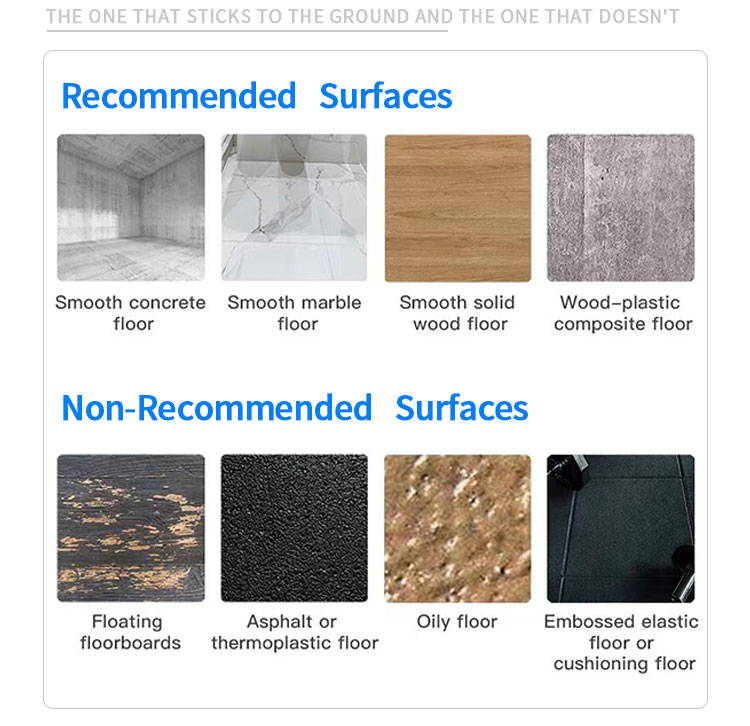
Peel and stick tiles are marketed as foolproof, and for the most part they are. But a surprising number of failed installs trace back to a handful of repeatable mistakes. After shipping millions of square meters to global buyers, our quality team has seen them all. Avoid these and your floor or wall will look professional for years.
1. Skipping surface preparation
The adhesive bonds to what it touches. Dust, wax, oil or loose paint create a weak layer the tile simply can’t grip. Always clean with a degreaser, let it dry fully, and lightly scuff glossy surfaces so the backing can bite.
2. Installing at the wrong temperature
Adhesive has a comfort zone. Below 15°C it stays stiff and won’t flow; above 30°C it gets tacky and shifts. The sweet spot is 18–25°C with low humidity — exactly why we recommend acclimating tiles in the room for 24 hours before laying them.
3. No dry fit
Never peel the backing and hope it lines up. Lay tiles loosely first, check the pattern flows across the room, then commit. A misaligned first row cascades into ugly gaps at the far wall.
4. Trapping air bubbles
Press from the center outward with a roller. Bubbles trapped under the tile will eventually lift an edge. For floors, a 50 kg roller is non-negotiable on commercial jobs.
Frequently Asked Questions
What is the most common mistake when installing peel and stick tiles?
Skipping surface preparation. The adhesive bonds to whatever it touches, so dust, wax, oil or loose paint create a weak layer that causes lifting. Always clean with a degreaser, let the surface dry fully, and lightly scuff glossy surfaces before laying.
What temperature is best for installing peel and stick tiles?
Between 18–25°C with low humidity. Below 15°C the adhesive stays stiff and won’t flow; above 30°C it becomes too tacky and shifts. Acclimate the tiles in the room for 24 hours before installation.
Do I need to do a dry fit before peeling the backing?
Yes. Lay tiles loosely first and check that the pattern flows across the room. A misaligned first row cascades into visible gaps at the far wall.
How do I avoid air bubbles under peel and stick tiles?
Press from the center outward with a roller. For floors, a 50 kg roller is non-negotiable on commercial jobs — trapped bubbles will eventually lift an edge.
Where should I start laying peel and stick tiles?
Start along the most visible wall, not the doorway. A perfectly straight front edge reads as professional even if a back corner needs a small trim.